From Alert to Action: Why Detection Alone Is Not Enough. Most security teams do not lack alerts. They lack finished work. That gap between knowing and acting is where attacks spread. AI threat detection and response exists to close it. It pairs fast detection with a clear path to action, so the first useful step happens in minutes, not after a queue clears. This is a follow-up to our leader article, AI Threat Detection: Stop Attacks Before They Spread, published 6 Nov 2026 at https://cyberlegends.org/blog-detail/Bd1e3zX5/. This one focuses on the workflow after the alert: automated response, SOAR playbooks, AI-assisted investigation, and honest measurement. Key Takeaways. Detection creates value only when it leads to a timely, recorded action. Automated response suits well understood, low risk steps, with human approval for high impact actions. SOAR playbooks turn tribal knowledge into repeatable steps any analyst can follow. AI-assisted investigation gathers context first, so analysts start from evidence. MTTD and MTTR help only when measured the same way every time. What Changes When Detection Moves From Alert to Action? Detection moves from alert to action when every alert carries a next step, an owner, and a time limit. The team gets a case that says what was seen, what to check first, and which containment action is safe. The Cyber Legends AI-Powered Threat Detection and Response Solution at https://cyberlegends.org/solution/kYQBA4X0/ is built around that shift. It combines behavioral baselining of users, devices, and applications with real-time anomaly detection using ML and UEBA models, so each alert arrives with context about what is normal for that user or device. Definition: MTTD means mean time to detect, from when suspicious activity starts to when the team detects it. MTTR means mean time to respond, from detection to when containment starts. Read both with the quality of the response. How Do Automated Response Workflows Work in Practice? Automated response workflows take a trusted detection and run a short, pre-approved set of actions without waiting for a human to type each command. A common example is to isolate a host, disable a session, block a malicious address, or revoke a token, then open a case with the evidence attached. It handles the first, repeatable minutes so the analyst can focus on the harder question: is this a real attack, and how far did it reach? The solution integrates with EDR, XDR, and cloud security telemetry, and uses automated response workflows via SOAR platforms. What Does AI-Assisted Investigation Actually Do for Analysts? AI-assisted investigation gathers the context an analyst would otherwise collect by hand, and presents it in one place before a decision is made. It can pull recent activity for the affected user, process history on the device, related alerts from the same host or identity, and matching threat hunting leads. Threat hunting also starts from patterns the models have surfaced, then uses human judgement to confirm or rule out the lead. The goal is to give the analyst a head start, with sources cited in the case. How Do SOAR Playbooks Fit Into a Modern SOC? SOAR playbooks are the written, tested version of how the team responds. A playbook names the trigger, the checks to run, the decision points, the containment actions, and the point where a human must approve before anything irreversible happens. The tech foundation includes SOAR via Phantom, Demisto, and Swimlane, Microsoft Sentinel, Splunk AI, and IBM QRadar, and CrowdStrike Falcon, SentinelOne, and Palo Alto Cortex. Keep playbooks short, version them, and review them after real incidents. Step list: how to build a first SOAR playbook
1. Pick one frequent alert type and note the current manual steps. 2. Decide which steps are safe to automate and which need human approval. 3. Connect the playbook to the sources and endpoints it needs, then test it. 4. Run it on real alerts with close review and fix confusing steps. 5. Review it after every real incident that used it. How Do You Measure Whether Detection and Response Are Improving? Track a small set of numbers the same way every time, and check what those numbers leave out. MTTD tells you how fast suspicious activity was detected. MTTR tells you how fast response started. Neither proves the incident was handled well. So track MTTD and MTTR with the share of alerts that led to a recorded action, the share of playbook runs that completed without manual rescue, and the number of incidents that needed a second containment. Claimed value for this solution includes reduced MTTD and MTTR, detection of insider and zero-day threats missed by traditional tools, cost-effective scaling of SOC capabilities, and improved resilience against evolving attack patterns. Treat those as outcomes to measure in your own environment, not as promises for any single deployment. An Illustrative Example: One Alert, One Contained Incident. Illustrative example, not a real client case. A finance officer logs in from a new device late at night and opens a shared folder she has never used. Behavioral baselining flags the change, because the device, the hour, and the folder are all outside her normal pattern. The alert arrives with that context, the automated workflow isolates the session and prompts for re-authentication, and a case opens. Investigation shows the session used a valid password but an unfamiliar device. The analyst confirms the risk, the playbook revokes the session token, and the case records each step. Pro Tip. Pro Tip: Before you automate a response, write down its rollback step. If you can isolate a host, know how to restore it cleanly. A containment action without a tested rollback creates a second incident, usually at the worst time. AI Threat Detection and Response: Problem, Impact, Solution, Implementation, and Measurement. Problem: Teams receive more alerts than they can investigate, and the delay between detection and action gives attackers time to move. Manual investigation is slow, playbooks live in memory, and similar incidents are handled differently by each shift. Impact: Alert fatigue grows, real incidents wait behind noise, and leadership cannot tell whether the SOC is improving. Solution: The Cyber Legends AI-Powered Threat Detection and Response Solution at https://cyberlegends.org/solution/kYQBA4X0/ pairs behavioral baselining and real-time anomaly detection with SOAR automated response, AI-assisted threat hunting, and EDR, XDR, and cloud telemetry integration. Its foundation includes TensorFlow, PyTorch, and Scikit-learn, Microsoft Sentinel, Splunk AI, and IBM QRadar, CrowdStrike Falcon, SentinelOne, and Palo Alto Cortex, and SOAR via Phantom, Demisto, and Swimlane. Deployment starts with a SOC maturity and telemetry assessment, custom model training, integration, and 24/7 monitoring with analyst augmentation. Implementation steps: Assess SOC maturity and telemetry readiness and agree which alert types matter most. Connect the log sources, endpoints, and cloud providers those alerts depend on. Train or tune models on organization-specific datasets. Build a small set of SOAR playbooks for the most frequent incidents, with human approval points and rollback steps. Test in a controlled environment, then run on live alerts with close review, and expand only after clean runs. How to measure success: Track MTTD and MTTR as trends, read with containment quality. Count alerts that reached a recorded action, playbook runs that completed without rescue, and incidents that needed a second containment. Cost and delivery time are scope-dependent. To request a proposal, describe your goals, environment, and preferred timeline through the corporate inquiry form, or contact Cyber Legends at [email protected] or +92 304 1620156.
Explore Everything Cyber Legends Offers. Cyber Legends offers trainings, services, and solutions from one place in Lahore, Pakistan. Start with the hubs: Trainings at https://cyberlegends.org/trainings/, Services at https://cyberlegends.org/services/, and Solutions at https://cyberlegends.org/solutions/. The spotlight here is the AI-Powered Threat Detection and Response Solution at https://cyberlegends.org/solution/kYQBA4X0/, for teams that want detection to lead to action. Related options include the Managed SOC service, the Incident Response service, and the Threat Hunting training, covering monitoring, response, and the skills to run both. Keep Going: Build a SOC That Acts, Not Just Alerts. A SOC that only alerts is a reporting team with a louder inbox. A SOC that acts has playbooks it trusts, measures it reads honestly, and analysts who start each case with context. That change happens in small steps: one playbook, one measured month, one review. Lead magnet suggestion: a one-page MTTD and MTTR tracking sheet from this article, so a team can start measuring this week. Engagement question: Which step slows your team most after an alert arrives, the investigation, the approval, or the containment action? Tell us in the comments. Primary CTA: Request a proposal for the AI-Powered Threat Detection and Response Solution through the Cyber Legends corporate inquiry form, describing your goals, environment, and preferred timeline. Secondary CTA: Read the leader article at https://cyberlegends.org/blog-detail/Bd1e3zX5/, then browse the Solutions hub at https://cyberlegends.org/solutions/. FAQ. What is AI threat detection and response? AI threat detection and response pairs machine learning detection with coordinated response. Models learn normal behavior for users, devices, and applications, flag anomalies in real time, and trigger SOAR workflows and AI-assisted investigation so containment starts quickly and is recorded. When should a response step be automated, and when should a human approve it? Automate steps that are well understood, reversible, and low risk, such as isolating a session or blocking a known malicious address. Keep human approval for actions that affect many users, delete data, or shut down a service, and write that boundary into the playbook. What is the difference between MTTD and MTTR? MTTD is the time from when suspicious activity starts to when it is detected. MTTR is the time from detection to when response action starts. Both matter, and both should be read with containment quality, because speed without a correct, lasting fix leaves risk behind. Do SOAR playbooks replace SOC analysts? No. SOAR playbooks handle repeatable first steps and keep the response consistent, but analysts still judge unclear cases, confirm real attacks, find root causes, and improve the playbook. The aim is analyst augmentation, with AI-assisted investigation giving analysts a faster, evidence-led start. Conclusion. Detection earns its keep when it leads to action, and action earns trust when it is fast, consistent, and recorded. Automated response workflows, SOAR playbooks, and AI-assisted investigation give a SOC that structure, while honest measurement with MTTD, MTTR, and containment quality shows whether the team is truly improving. If you want help turning alerts into a response your team can repeat, request a proposal for the AI-Powered Threat Detection and Response Solution via the Cyber Legends corporate inquiry form, or write to [email protected]. Contact: Cyber Legends, Central Plaza, Barkat Market, Lahore, Pakistan. Email [email protected]. Phone +92 304 1620156. References: NIST Cybersecurity Framework, National Institute of Standards and Technology, https://www.nist.gov/cyberframework. NIST Computer Security Resource Center, https://csrc.nist.gov/. Cybersecurity and Infrastructure Security Agency (CISA), https://www.cisa.gov/. MITRE ATT&CK, https://attack.mitre.org/. OWASP, https://owasp.org/. FIRST, Forum of Incident Response and Security Teams, https://www.first.org/. This content is for educational purposes. Always test security tools only on systems you own or have written permission to assess.
Share Article
Related Insights
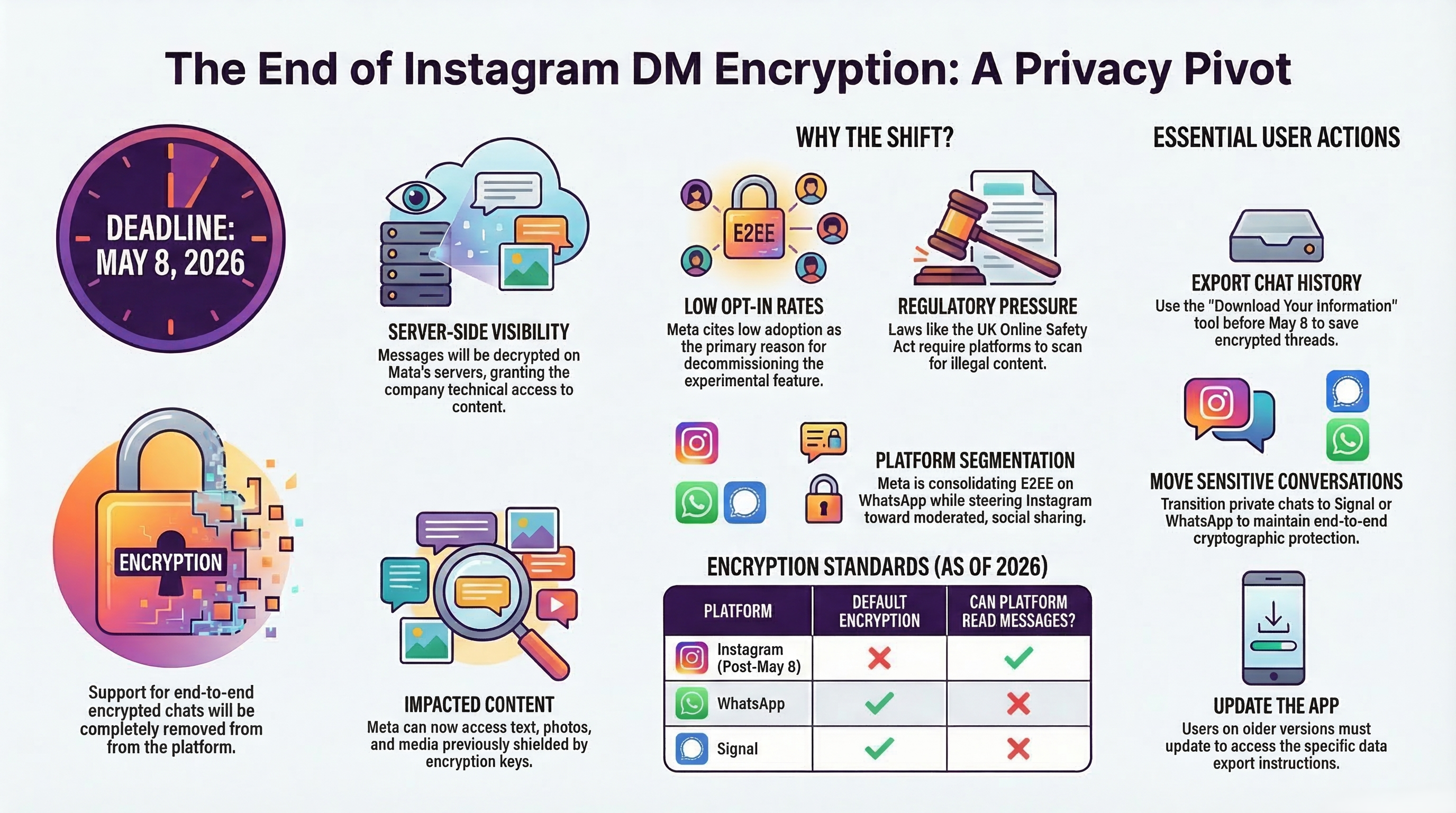
The Great DM Decryption: 5 Impactful Takeaways fr…
Mar 14, 2026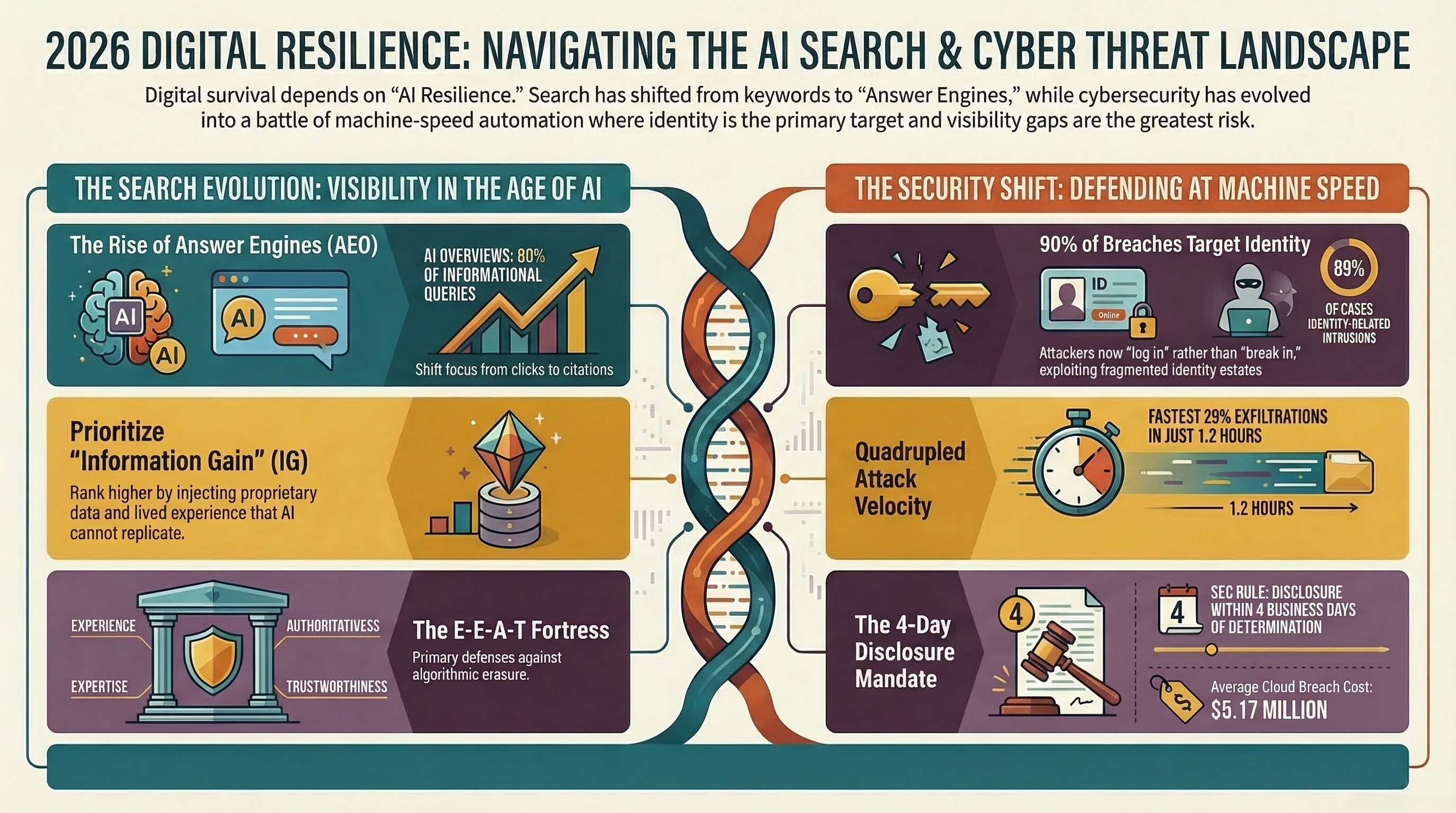
The Obsolete Roadmap: 6 Counter-Intuitive Truths …
Mar 16, 2026