A security alert fires at 2 a.m. A laptop behaves strangely, a server log shows an unknown login, and no one can say what happened first. That uncertainty is where a DFIR course earns its value. Digital forensics and incident response is the discipline of finding the facts, preserving the evidence, and stopping the damage without destroying the trail. In this DFIR course from Cyber Legends, you learn that work step by step, with hands-on labs and realistic scenarios. If you want to move from watching alerts to investigating them, this training gives you a practical place to start. Key Takeaways: DFIR combines digital forensics with incident response, so you can find what happened and act on it safely. The NIST incident response lifecycle gives you a repeatable structure, from detection to lessons learned. Hands-on labs cover Autopsy, FTK, Volatility, and Wireshark, plus imaging, memory analysis, and log review. Evidence handling, chain of custody, and legal considerations are taught too. The course suits SOC analysts, cybersecurity students, IT professionals, and law enforcement personnel. What is DFIR? DFIR stands for Digital Forensics and Incident Response. Digital forensics is the careful collection, preservation, and analysis of digital evidence. Incident response is the organised work of detecting, containing, eradicating, and recovering from a security incident. Together, they answer two questions: what happened, and what should we do now. What does a DFIR course actually teach you? A DFIR course teaches you how to investigate a cyber incident from the first alert to the final report, using methods that protect the evidence at every step. You learn forensic imaging, memory analysis, log examination, and timeline reconstruction with professional toolkits. You practise complete incident response workflows from detection and containment to eradication and recovery. The focus is practical. You do not only read about an attack. You examine artefacts, follow the timeline, test a hypothesis, and record what you found in a form others can check. That mix separates a guess from a defensible finding. How does the NIST incident response lifecycle work in practice? The NIST incident response lifecycle gives you six clear phases: detection, analysis, containment, eradication, recovery, and lessons learned, and it keeps the work in order when pressure is high. Each phase has a decision, a record, and a clear next step. In practice, detection starts with an alert or an unusual log entry. Analysis asks whether it is a real incident and how far it reached. Containment limits the damage, eradication removes the cause, recovery restores safe operation, and lessons learned turns the incident into a better defence. Follow these six steps in order: 1. Detect the incident and confirm it is real. 2. Analyse the scope, systems, and data affected. 3. Contain the threat to limit further damage. 4. Eradicate the cause from every affected system. 5. Recover systems safely and verify they are clean. 6. Record lessons learned and improve defences.
What tools will you use in hands-on DFIR labs? You will use Autopsy, FTK, and Volatility in hands-on forensic analysis, with Wireshark for network forensics and related professional toolkits for imaging and log review. Each tool answers a different question, from disk and memory to network traffic. You learn to choose the right tool for the evidence in front of you. Autopsy and FTK help you examine file systems, recover deleted files, and review NTFS artefacts. Volatility helps you analyse memory, find running processes, and spot injected code that never touched the disk. Wireshark helps you read network traffic and trace a connection back to its source. Run each tool correctly and explain what its output proves. Who should take a DFIR course, and what should you know first? This DFIR course is designed for SOC analysts and aspiring forensic investigators, and it also suits cybersecurity students, IT professionals, and law enforcement personnel. You need a basic understanding of computer systems and networks, and familiarity with cybersecurity fundamentals is recommended. You do not need to be an expert in forensics on day one. The course builds from core principles, including forensic principles, chain of custody, and the order of volatility, which tells you what to collect first before it changes or disappears. How do you preserve evidence so it stands up in court? You preserve evidence by collecting it in the right order, protecting its integrity, and recording every step so another person can follow your work. The order of volatility guides you to collect the most fragile evidence first, such as memory and active network connections, before it is lost. You use forensic imaging to work from a copy, not the original, and you document the chain of custody from collection to storage to reporting. The course also covers legal considerations in Pakistan and internationally, plus forensic reporting, including court-ready reports, exhibits, and expert witness testimony fundamentals. Good evidence is handled in a way others can trust. What careers can a DFIR course lead to? A DFIR course can lead to roles such as digital forensics analyst, incident responder, SOC analyst at Tier 2 or Tier 3, and threat intelligence roles in enterprises, consultancies, and law enforcement. These roles need people who investigate calmly, document clearly, and act without making the incident worse. A SOC analyst uses DFIR skills to escalate with evidence instead of a hunch. An incident responder uses them to contain and recover with a plan. A forensics analyst uses them to build a timeline a team, a manager, or a court can follow. The work rewards patience, accuracy, and clear writing. Illustrative Example - clearly illustrative, not a real client case: Imagine a small company notices that a finance workstation sent a large file to an unknown server late at night. In this illustrative example, the responder first preserves memory and captures a forensic image, then reviews logs to find the first login and uses memory analysis to find a suspicious process. The timeline shows the login, the download, and the transfer in order. The team contains the host, removes the cause, and writes a short report. No real client is involved here. The example shows the method: collect, analyse, contain, recover, and report. Pro Tip: Before you touch a suspect system, write down what you plan to collect and in what order. The order of volatility is your checklist. Memory and live network data disappear first, so collect them before you power down or reboot. A short plan protects evidence and saves time later.
What is the learning roadmap, and what should you expect? The learning roadmap starts with forensic principles, evidence handling, and the order of volatility, then moves to file system forensics, memory forensics with Volatility, network forensics with Wireshark, and malware analysis basics. You then practise the full NIST lifecycle and finish with forensic reporting. Prerequisites are a basic understanding of computer systems and networks, with cybersecurity fundamentals recommended. Classes run Monday to Wednesday for 2 hours each and Saturday to Sunday for 3 hours each, with new batches starting the first Monday of every month. Fee and duration are to be announced. Career outcomes include digital forensics analyst, incident responder, SOC analyst, and threat intelligence roles. EXPLORE EVERYTHING CYBERLEGENDS OFFERS: Cyber Legends offers professional cybersecurity trainings, services, and solutions from Lahore, Pakistan, with this DFIR training as a practical option for investigators and SOC teams. Explore trainings at https://cyberlegends.org/trainings/, services at https://cyberlegends.org/services/, and solutions at https://cyberlegends.org/solutions/. Related trainings include Digital Forensics Analyst at https://cyberlegends.org/training/z3Xo4qQM/, SOC Analyst Professional at https://cyberlegends.org/training/aJQzmeXo/, Malware Analysis and Reverse Engineering at https://cyberlegends.org/training/DzQ4l3Q8/, and Threat Hunting and Detection Engineering at https://cyberlegends.org/training/Bd1e4DQ5/. For hands-on help, see the Digital Forensics and Investigation Service at https://cyberlegends.org/service-detail/y8QqgK7k/. To enrol, visit https://cyberlegends.org/application/ or contact [email protected] or +92 304 1620156. Why start now, and how can you keep learning? Incidents do not wait for a convenient week, so the best time to learn DFIR is before you face a real one. A structured course gives you a method to follow under pressure. Suggested lead magnet: a one-page DFIR First Response Checklist covering the order of volatility, evidence preservation steps, and the six NIST phases, available on enrolment enquiry. Engagement question: what is the first thing you would collect if you found a suspicious login on a work laptop, and why would you collect it first? Share your answer, then compare it with the order of volatility in the course. Frequently Asked Questions: Is this DFIR course suitable for beginners? Yes, if you have a basic understanding of computer systems and networks. Familiarity with cybersecurity fundamentals is recommended. The course starts with forensic principles and evidence handling, then builds to file system, memory, and network forensics, so you learn the method before the deeper analysis. Is the DFIR course online? Yes. The training is 100 percent online. Classes run Monday to Wednesday for 2 hours each and Saturday to Sunday for 3 hours each. New batches start the first Monday of every month. Fee and duration are to be announced. What tools are covered in the DFIR course? The course uses Autopsy, FTK, and Volatility for hands-on forensic analysis, with Wireshark for network forensics. You also practise forensic imaging, log examination, timeline reconstruction, and reporting with professional toolkits in realistic scenarios. You learn when each tool fits the question, and how to record results clearly for the team. Who teaches the DFIR course? The instructor is Engr. Ayesha Khalid, Cybersecurity Analyst and Digital Forensics Expert. She has extensive experience in incident response, malware analysis, and cybercrime investigation, and has collaborated with law enforcement agencies and private firms on data breaches and system compromises. How do I enrol, and what are the payment options? Enrol via https://cyberlegends.org/application/. A one-time advance payment gets a 5 to 10 percent discount, or you can pay in 3 installments at 50 percent advance, 25 percent, and 25 percent. Contact [email protected] or +92 304 1620156 if you need help with the form. A DFIR course is not about collecting tools. It is about learning to investigate with order, care, and proof, so your findings help the team and hold up later. This training from Cyber Legends gives you that structure through the NIST lifecycle, hands-on labs with Autopsy, FTK, Volatility, and Wireshark, and clear teaching on evidence, reporting, and legal considerations. If you want to work in forensics or incident response, start with a method you can trust. Enrol via https://cyberlegends.org/application/ or contact [email protected] to ask about the next batch. Contact: Cyber Legends, Central Plaza, Barkat Market, Lahore, Pakistan. Email [email protected]. Phone +92 304 1620156. References: 1. National Institute of Standards and Technology (NIST), Computer Security Incident Handling Guide, SP 800-61 Rev. 2, 2012. https://csrc.nist.gov/pubs/sp/800/61/r2/final 2. National Institute of Standards and Technology (NIST), The NIST Cybersecurity Framework (CSF) 2.0, 2024. https://www.nist.gov/cyberframework 3. Cybersecurity and Infrastructure Security Agency (CISA), Cybersecurity Best Practices and Incident Response resources. https://www.cisa.gov/topics/cybersecurity-best-practices 4. MITRE ATT&CK, Enterprise Matrix and techniques reference. https://attack.mitre.org/ 5. Forum of Incident Response and Security Teams (FIRST), CSIRT Services Framework and incident response resources. https://www.first.org/ Disclaimer: This content is for educational purposes. Always test security tools only on systems you own or have written permission to assess.
Share Article
Related Insights
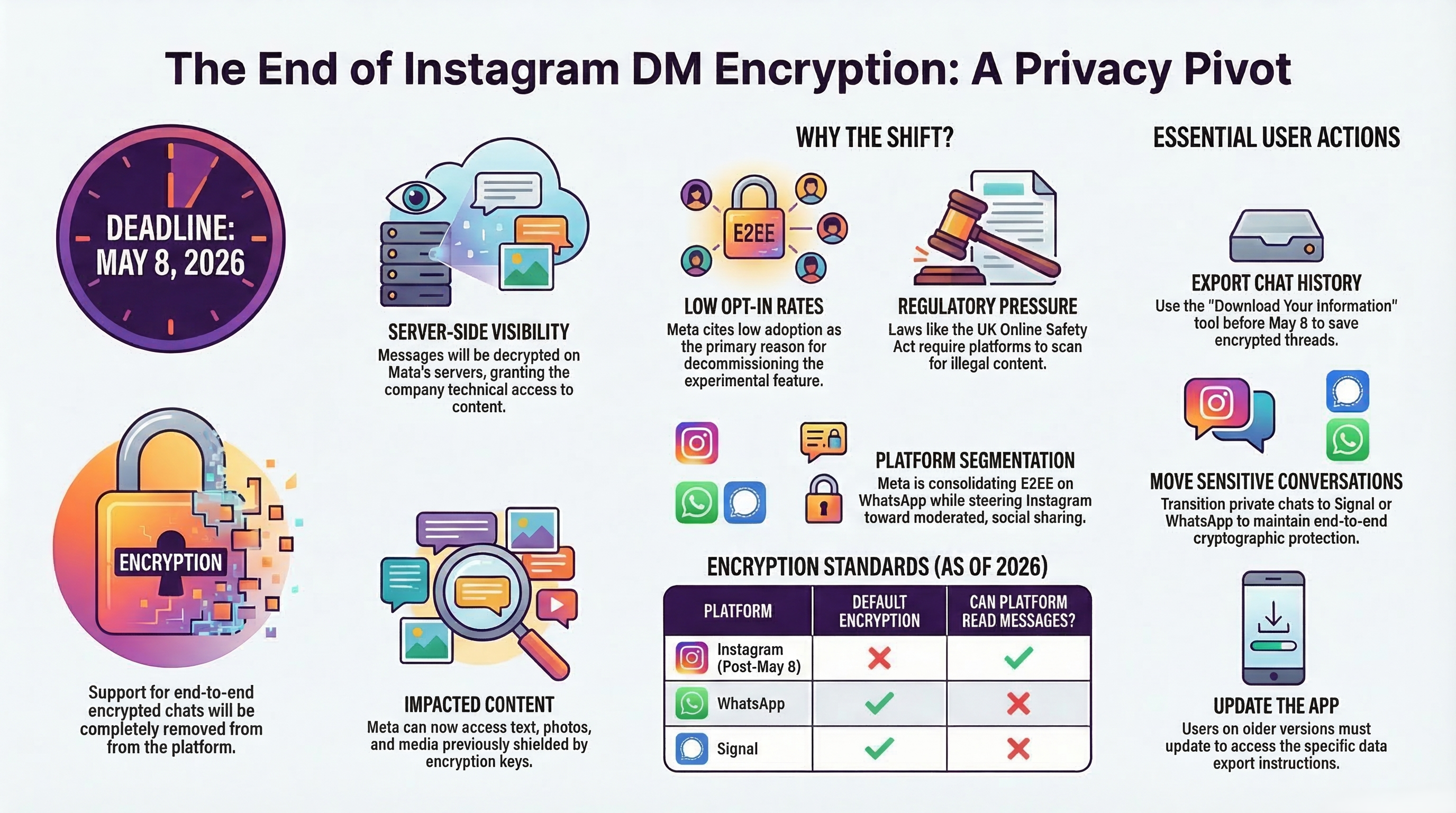
The Great DM Decryption: 5 Impactful Takeaways fr…
Mar 14, 2026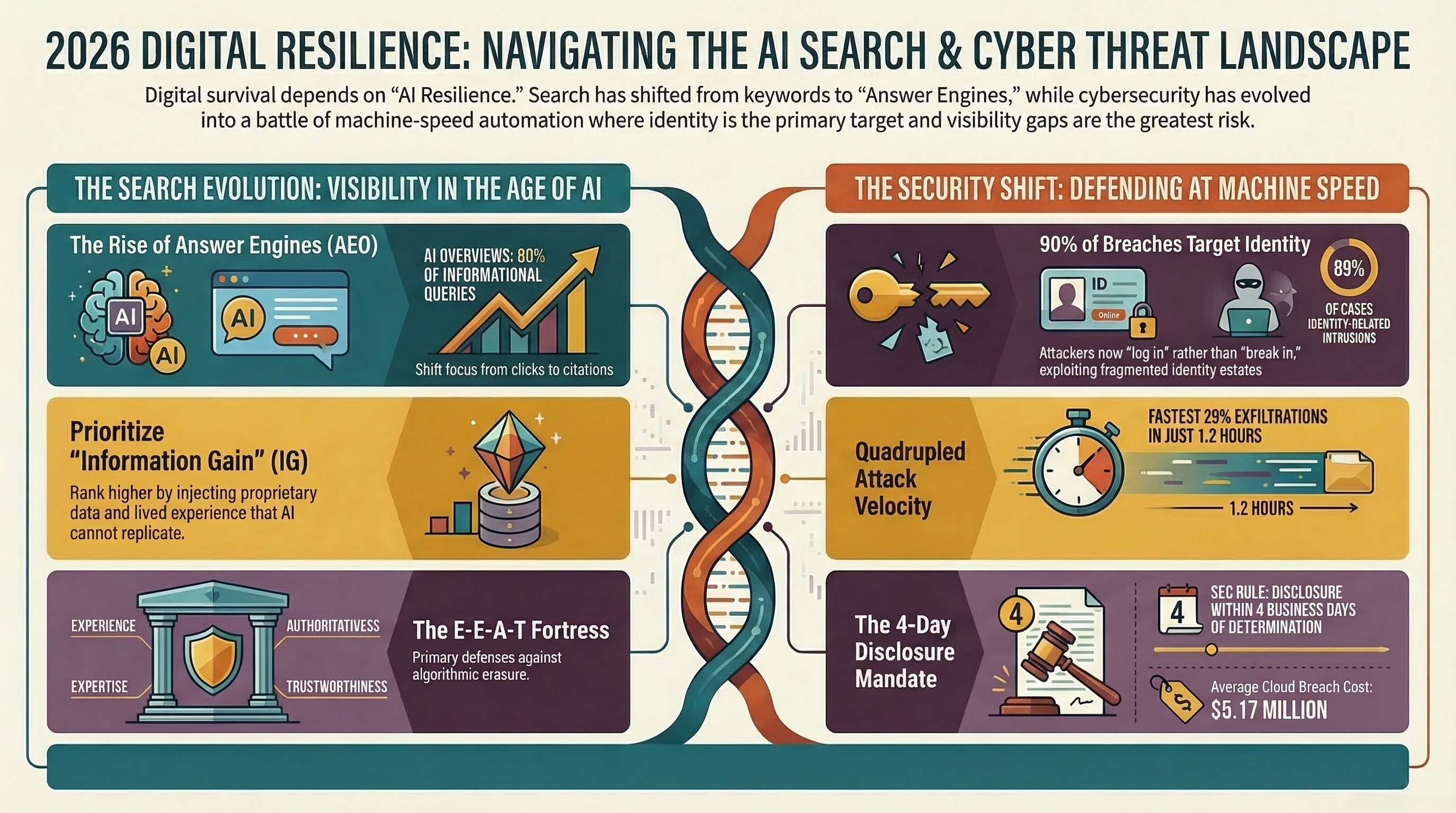
The Obsolete Roadmap: 6 Counter-Intuitive Truths …
Mar 16, 2026