Why web applications are tested differently — Almost every organisation now runs on web applications: customer portals, internal dashboards, APIs and mobile backends. That makes the web the most common attack surface a tester meets, and it behaves differently from a network. A web test is not mainly about open ports. It is about how an application handles input, identity, sessions and trust, and what happens when a request is crafted in a way the developer never expected. That is why the work starts with understanding, not attacking. A tester who maps the application first, learns its normal behaviour, and only then probes its weak points finds more that matters and writes findings a developer can actually fix.
What the testing covers, in the order a tester works — Map first: HTTP, sessions and attack surface. The first module on record is an HTTP deep dive: methods, headers, cookies and sessions, how browsers, servers and applications communicate, and mapping the attack surface with proxies and spiders before testing begins. Burp Suite is set up professionally at this stage, not improvised later. This discipline matters because most missed findings are not exotic vulnerabilities. They are parts of the application nobody mapped, such as an old endpoint, an admin function or an API route left out of scope. Test the OWASP Top 10 in depth. The training's stated focus is the OWASP Top 10 through hands-on labs: injection, cross-site scripting, authentication flaws, access control issues and API weaknesses. The live training page names the same ground in more detail: SQL injection, cross-site scripting in reflected, stored and DOM forms, cross-site request forgery, authentication and session attacks, insecure direct object references, server-side request forgery, API attacks, GraphQL flaws and business logic vulnerabilities. Business logic is the point most beginners underrate: the application works exactly as coded, but the coded logic itself lets an attacker do something the business never intended, such as changing a price, skipping a step or accessing another user's data. Tooling: Burp Suite, Postman and scripting. Tooling on record is Burp Suite used professionally, plus Postman for APIs and custom scripting for automation, practised against realistic lab targets. The lesson is not the tool list. It is that a professional tester can explain what each request did, what the response proved, and how to reproduce it. A screenshot without a reproducible request is not evidence. Report: findings clients act on. The final module on record covers structuring findings by risk, documenting evidence, giving remediation advice developers can implement, and writing executive summaries. This is the part that separates a lab exercise from client work. A good report answers four questions for every finding: what is it, how was it proven, how bad is it in this application's context, and what exactly should change. Severity without context is noise; a developer who cannot reproduce a finding cannot fix it. How this training maps to that work. The Cyber Legends Web Application Penetration Testing training is a professional cybersecurity programme offered in Lahore, delivered 100 percent online. Classes on record run Monday to Wednesday (2 hours each) and Saturday to Sunday (3 hours each), with hands-on labs in every module, and new batches start the first Monday of every month. Instructor on record: Omar Siddiqui, a penetration testing specialist with hands-on expertise in web, mobile and API security assessments for enterprise clients. Eligibility on record: a basic understanding of web technologies (HTTP, HTML), with prior security fundamentals helpful. Beginners are advised on the live page to start with Penetration Testing or Cybersecurity Fundamentals first if they lack basic networking and web concepts. Careers named on the live page: web application pentester, application security engineer and bug bounty hunter. What this training will not do for you. No training guarantees a job, a salary level or bug bounty earnings. Web pentesting also has a hard ethical boundary that must be stated plainly: test only systems you own or have written permission to test. Unauthorised testing, even with good intentions, is not a portfolio piece, it is a legal risk. A structured programme's honest value is repeated, reviewed practice in mapping, testing, evidencing and reporting, plus a report you can discuss in an interview in concrete terms: what you found, how you proved it, and what you recommended. A practical way to prepare, before or alongside the course. Learn HTTP properly first: methods, headers, cookies and sessions. Most web vulnerabilities are HTTP misunderstandings, not magic. Practise Burp Suite on lab targets until intercepting, repeater and intruder feel routine, so your attention stays on the application, not the tool. Write one full finding, with reproduction steps and remediation advice, for every vulnerability you practise. Reporting is a skill, not an afterthought. Study the OWASP Top 10 and the OWASP Testing Guide together, so you learn each vulnerability, its test method and its fix as one unit.
Frequently asked questions. Do I need to know programming first? Basic web understanding (HTTP, HTML) is the stated prerequisite. Programming helps, especially for scripting and reading application code, but the course is framed around methodology, tooling and reporting rather than software development. Is this the same as ethical hacking in general? No. General ethical hacking covers networks, systems and social engineering as well. This training specialises in web targets: applications, sessions, APIs and the logic behind them. What does it cost? The live training page leaves the fee blank and states pricing varies by track, so no fee is quoted here. It does state the standing Cyber Legends terms: a 5 to 10 percent discount on one-time advance payment, or 3 installments at 50 percent advance, 25 percent and 25 percent. Confirm the current fee with the training advisors before enrolling. Can I practise on real websites? Only with permission. Practise on lab targets and programmes that explicitly invite testing, such as bug bounty programmes within their stated scope. Never test a live site you do not own or have permission for. Next step. Explore the training programme at https://cyberlegends.org/training/yAKgx9Xz/ and the full catalogue at https://cyberlegends.org/trainings/. When you are ready, apply through the official form at https://cyberlegends.org/application/. For training enquiries, the address on record is [email protected]. References: OWASP Top 10: https://owasp.org/www-project-top-ten/ — OWASP Web Security Testing Guide: https://owasp.org/www-project-web-security-testing-guide/ — PortSwigger Web Security Academy: https://portswigger.net/web-security. Editorial note: no fee, duration or outcome is claimed beyond what the live training page states. The page leaves fee and duration blank, so both are left for the advisors to confirm.
Share Article
Related Insights
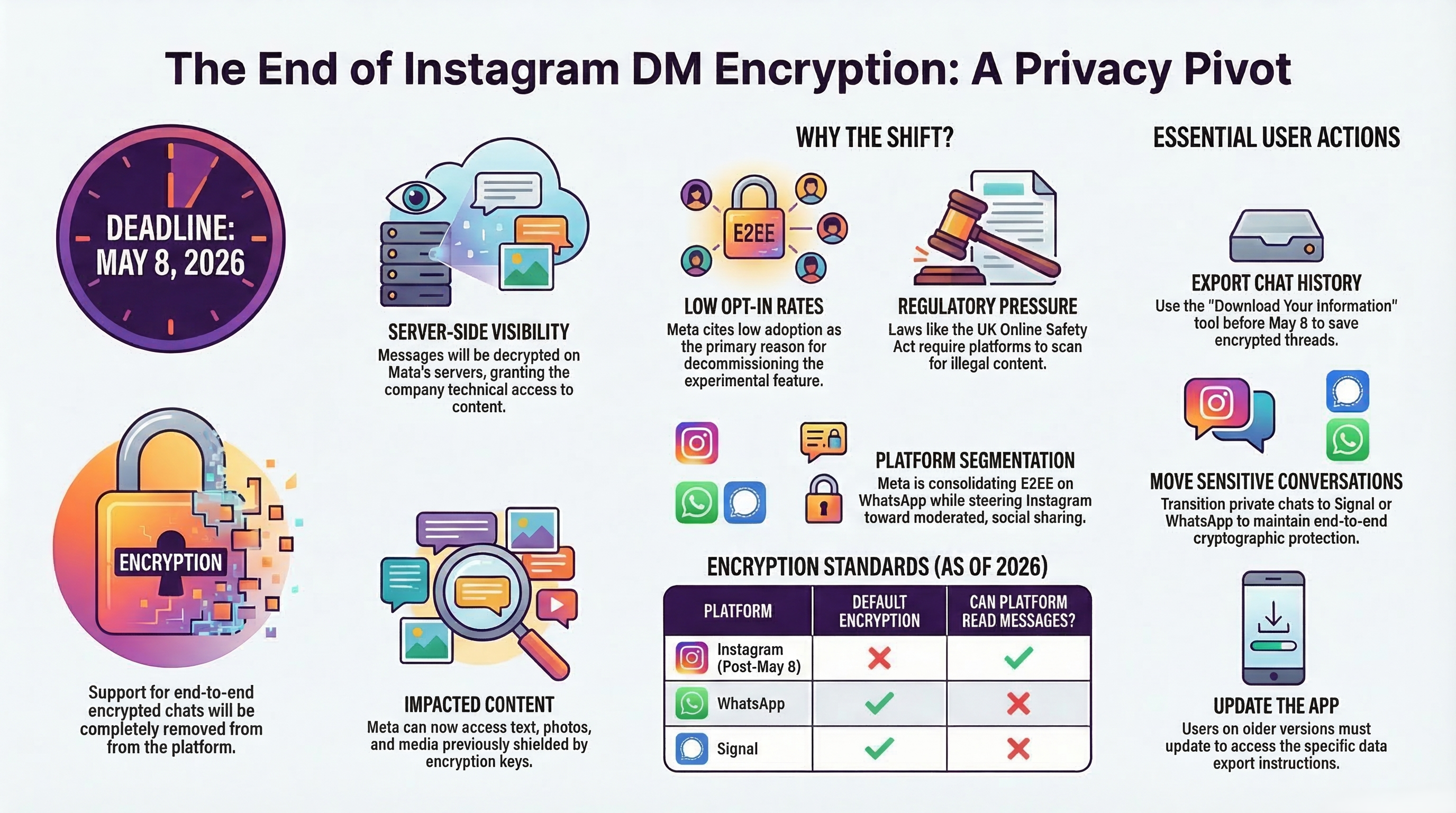
The Great DM Decryption: 5 Impactful Takeaways fr…
Mar 14, 2026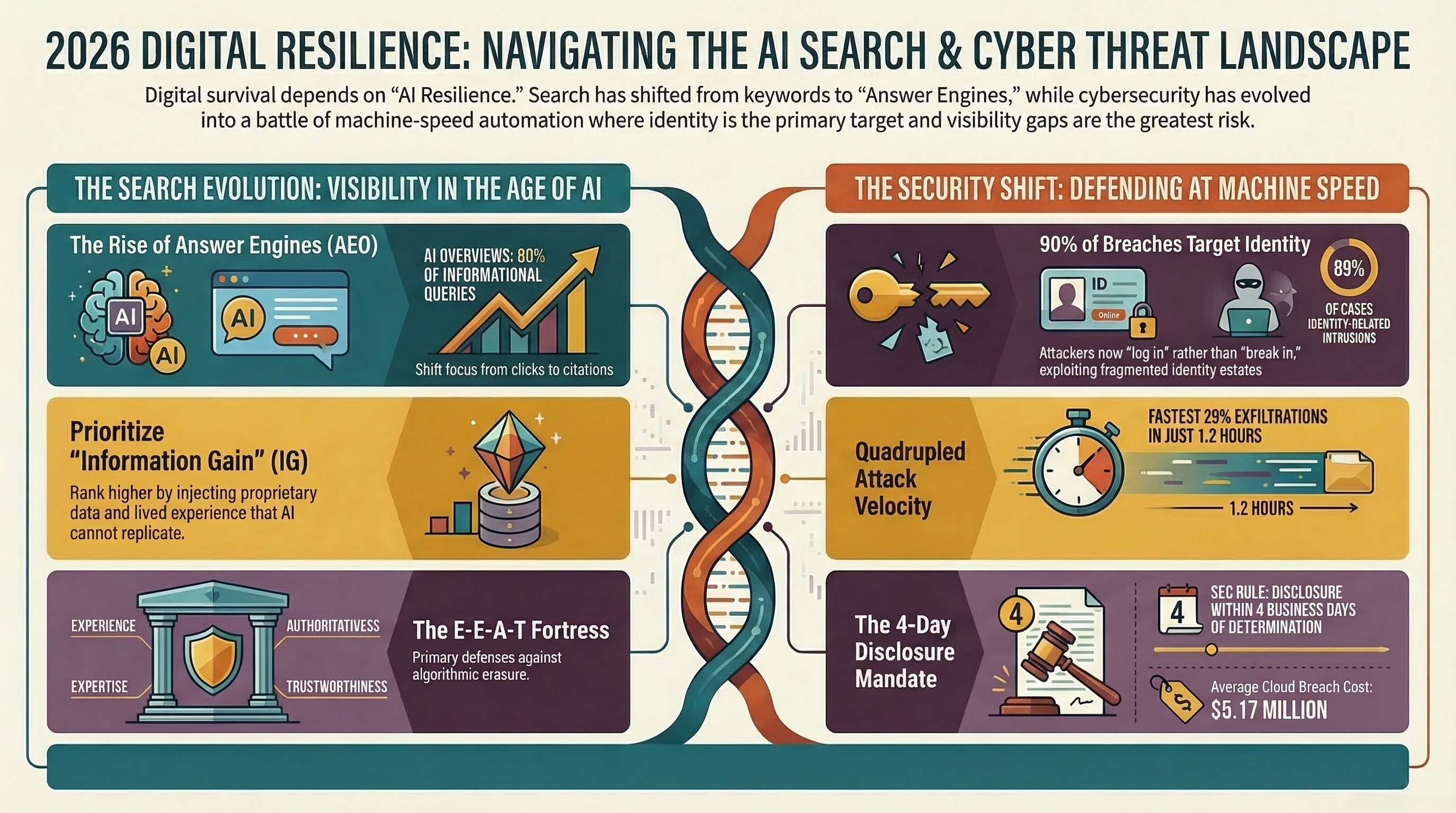
The Obsolete Roadmap: 6 Counter-Intuitive Truths …
Mar 16, 2026