Key Takeaways: Cybersecurity Fundamentals is built for complete beginners, with no prior experience in cybersecurity required and only basic knowledge of computers and the internet needed. You will learn the CIA triad, network security basics, operating system hardening, threats and malware, cryptography fundamentals, access control, security policies, and incident response basics. Every concept is paired with practical demonstrations, from firewall rules to password cracking demos, so you understand how things work in reality. The training is 100 percent online, Monday to Wednesday for 2 hours and Saturday to Sunday for 3 hours, with new batches starting the first Monday of every month. On completion you receive a Cyber Legends certificate, and the course page names entry-level paths such as IT support with a security focus and SOC trainee roles, plus advanced programs like Penetration Testing, CEH, and SOC Analyst Professional. Every password you reuse, every public Wi-Fi network you join, and every email attachment you open is a small decision about security. Most people make those decisions without ever learning how attacks work, which is why so many breaches start with something ordinary. Cybersecurity Fundamentals is the Cyber Legends training that fills that gap, from your first lesson to your first practical defence. It is built for complete beginners, taught 100 percent online by Ali Raza, and it turns confusion into clear, usable skill. This guide explains what the course teaches, how it works, and where it can take you. What is cybersecurity, and what does this fundamentals course teach? Cybersecurity is the practice of protecting systems, networks, and data from attack, damage, and unauthorised access, and this fundamentals course teaches it from the ground up. It introduces network security, common threats, protective controls, cryptography basics, and safe digital practices through practical exercises and real-world examples. The course starts with a simple idea: every organisation depends on systems that attackers want to reach, and every defence begins with understanding how attacks happen. You learn the CIA triad, confidentiality, integrity, and availability, and how each one guides real decisions, such as who can read a file, whether data has been changed, and whether a service stays online. You meet threat actors, from script kiddies to nation-states, and the common attack vectors they use, so common attacks become patterns you can recognise and block. What topics will you learn, module by module? In this cybersecurity fundamentals course you will learn the CIA triad, network security basics, operating system hardening, threats and malware, cryptography fundamentals, access control, security policies, and incident response basics. Each topic builds on the last, so you move from understanding what needs protecting to knowing how to protect it. The modules cover: The CIA triad, threat actors, attack vectors, and the modern cybersecurity ecosystem, and why cybersecurity matters for every organisation. Network security basics: how networks are put together, where they are exposed, and which controls sit between an attacker and your data. Operating system hardening: switching off what you do not need and locking down what you keep. Threats and malware: how malicious software spreads, what it does once it is in, and how to spot it early. Cryptography fundamentals: how encryption and hashing protect data in transit and at rest. Access control: who gets in, to what, and under which conditions. Security policies: the written rules that turn good intentions into consistent behaviour. Incident response basics: what to do in the first minutes after something goes wrong. Definition Box: What is the CIA triad? The CIA triad is the three goals every security decision serves: confidentiality keeps data private, integrity keeps data accurate and unaltered, and availability keeps systems working when they are needed.
How practical is the course, and what will you actually do? The course is both theory and practice, and every concept is paired with practical demonstrations, from firewall rules to password cracking demos, so you understand how things work in reality. You do not just memorise definitions; you watch attacks and defences happen and learn to read what they mean. A firewall rule stops being an abstract line when you see traffic blocked and allowed in front of you. A password cracking demo shows, in seconds, why a short or reused password fails, and why a long passphrase and a password manager matter. Practical exercises and real-world examples run through the whole program, so by the end you can explain an attack in plain language and point to the control that would have stopped it. That habit is the skill every later course builds on. Who is this course for, and what do you need before you start? This course is for anyone starting from zero, and no prior experience in cybersecurity is required. Basic knowledge of computers and the internet is enough, and the course is ideal for students, working professionals, and anyone curious about online safety and digital defence. If you have never worked in IT, you are the intended student. Concepts are explained simply, with practical demos, so a newcomer can follow along without a technical background. If you already work with computers, the course turns scattered knowledge into a structured foundation. There is no entrance test and no assumed knowledge beyond everyday computer use, and the instructor, Ali Raza, is a cybersecurity trainer and IT consultant known for an engaging teaching style that simplifies complex topics and focuses on real-life examples. Illustrative Example, clearly illustrative, not a real client case: Imagine a final-year student who uses one password everywhere and has never thought about what a firewall does. In the first weeks she learns the CIA triad, watches a password cracking demo, and sets up a firewall rule herself. By the end of the course she can explain to her family why public Wi-Fi needs care, and she has a certificate and a clear next step toward a SOC trainee role. No real student is involved here. Common Mistake: Trying to learn advanced hacking tools before learning the fundamentals. Tools change every year, but the CIA triad, access control, and incident response basics do not. Students who skip the foundation end up running tools they cannot explain. Learn the fundamentals first, and every advanced course after this one will make sense faster. How does this course connect to red teaming, malware, and digital forensics? This course connects to red teaming, malware analysis, and digital forensics because all three rest on the same fundamentals: how networks work, how attacks happen, and how evidence is preserved. Once you can recognise a threat and name the control that stops it, you can start learning to test defences, analyse malware, and investigate incidents. Red teaming is testing defences by thinking like an attacker, and it only works when you understand the attack vectors this course teaches. Malware analysis starts with knowing how malicious software spreads and what it does once it is inside, which is exactly what the threats and malware module covers. Digital forensics starts with incident response basics and the habit of preserving evidence before it is lost. Cyber Legends teaches all three as follow-on paths, including the Penetration Testing training at https://cyberlegends.org/training/Mn10q8KE/, the Malware Analysis and Reverse Engineering training at https://cyberlegends.org/training/DzQ4l3Q8/, and the Digital Forensics and Incident Response training at https://cyberlegends.org/training/LOX6gkQ6/.
What does the learning roadmap look like, and where can it take you? The roadmap starts with the CIA triad and the modern cybersecurity ecosystem, moves through network security, hardening, threats and malware, cryptography, access control, policies, and incident response basics, and finishes with a certificate and a clear next step. It suits complete beginners who want a real foundation, not a shortcut. Classes are 100 percent online, Monday to Wednesday for 2 hours and Saturday to Sunday for 3 hours, with new batches starting the first Monday of every month. Duration and fee are to be announced. Payment is a one-time advance with a 5 to 10 percent discount, or 3 installments at 50, 25, and 25 percent. Contact the team for the current fee. Career outcomes named on the course page include entry-level roles such as IT support with a security focus and SOC trainee positions, and advanced programs such as Penetration Testing, CEH, and SOC Analyst Professional. The SOC Analyst Professional training at https://cyberlegends.org/training/aJQzmeXo/ is a natural next step. No job, salary, or employment outcome is promised, and results depend on your practice and on the roles available when you apply. EXPLORE EVERYTHING CYBERLEGENDS OFFERS Cyber Legends offers trainings, services, and solutions from Lahore, Pakistan: explore trainings at https://cyberlegends.org/trainings/, services at https://cyberlegends.org/services/, and solutions at https://cyberlegends.org/solutions/. Spotlight on this training: the Cybersecurity Fundamentals training at https://cyberlegends.org/training/go1AwdXA/ teaches network security, common threats, protective controls, cryptography basics, and safe digital practices from zero experience, 100 percent online with Ali Raza, with practical demonstrations in every concept and a certificate on completion. Related: Penetration Testing at https://cyberlegends.org/training/Mn10q8KE/, Certified Ethical Hacking at https://cyberlegends.org/training/Mn10O8QE/, SOC Analyst Professional at https://cyberlegends.org/training/aJQzmeXo/, and Digital Forensics and Incident Response at https://cyberlegends.org/training/LOX6gkQ6/. Also in today's set: Web Development Service at https://cyberlegends.org/service-detail/kWX9rQwa/ and Threat Intelligence and Analytics Platform solution at https://cyberlegends.org/solution/vlKkxAX7/. Enrol via https://cyberlegends.org/application/ or contact [email protected] or +92 304 1620156. Why start now, and how can you keep learning? You do not need a technical background or a perfect plan to start. Pick one habit from the course, a stronger password, a firewall rule you understand, or a phishing email you can now spot, and practise it this week. Each small defence you understand makes the next topic easier, and the certificate at the end is proof you built a real foundation. Suggested lead magnet: a Cybersecurity Fundamentals Starter Checklist on enrolment enquiry. Engagement question: what is the one security habit you most want to fix first? Primary CTA: enrol via https://cyberlegends.org/application/. Frequently Asked Questions I have no IT background. Can I still join? Yes. This program is designed for complete beginners, with no prior experience required. Concepts are explained simply with practical demos, and only basic knowledge of computers and the internet is needed. Students, working professionals, and anyone curious about online safety can follow along. What is the class schedule? Classes run Monday to Wednesday for 2 hours each and Saturday to Sunday for 3 hours each, 100 percent online. Batches start the first Monday of every month. Duration, days, and timing beyond that pattern are to be announced, so contact the team to confirm the next batch. What topics does this course cover? The course covers the CIA triad, network security basics, operating system hardening, threats and malware, cryptography fundamentals, access control, security policies, and incident response basics. Every concept is paired with practical demonstrations, from firewall rules to password cracking demos, throughout the program. Will I get a certificate? Yes. You receive a Cyber Legends certificate on completion, which strengthens your profile for entry-level security roles and further training. The course page names IT support with a security focus and SOC trainee roles as paths, with Penetration Testing, CEH, and SOC Analyst Professional as advanced next steps. Conclusion Cybersecurity looks complicated from the outside, but it is built from a few clear ideas: know what needs protecting, understand how attacks work, and apply the right controls in the right order. The Cyber Legends Cybersecurity Fundamentals training teaches exactly that, from the CIA triad to incident response basics, 100 percent online with Ali Raza and practical demos throughout. Start from zero, build the foundation properly, and let every advanced course after this one feel like a natural next step. Enrol via the application page, or contact [email protected] about the next batch. Contact: Cyber Legends, Central Plaza, Barkat Market, Lahore, Pakistan. Email [email protected]. Phone +92 304 1620156. Enrol via https://cyberlegends.org/application/. Training page: https://cyberlegends.org/training/go1AwdXA/. References: 1. National Institute of Standards and Technology (NIST), The NIST Cybersecurity Framework (CSF) 2.0, 2024. https://www.nist.gov/cyberframework 2. Cybersecurity and Infrastructure Security Agency (CISA), cybersecurity resources and guidance for beginners. https://www.cisa.gov/ 3. MITRE ATT&CK, adversary tactics and techniques reference. https://attack.mitre.org/ 4. Open Worldwide Application Security Project (OWASP), application security resources. https://owasp.org/ 5. Forum of Incident Response and Security Teams (FIRST), incident response resources. https://www.first.org/ 6. European Union Agency for Cybersecurity (ENISA), threat landscape and cybersecurity resources. https://www.enisa.europa.eu/ Disclaimer: This content is for educational purposes. Always test security tools only on systems you own or have written permission to assess.
Share Article
Related Insights
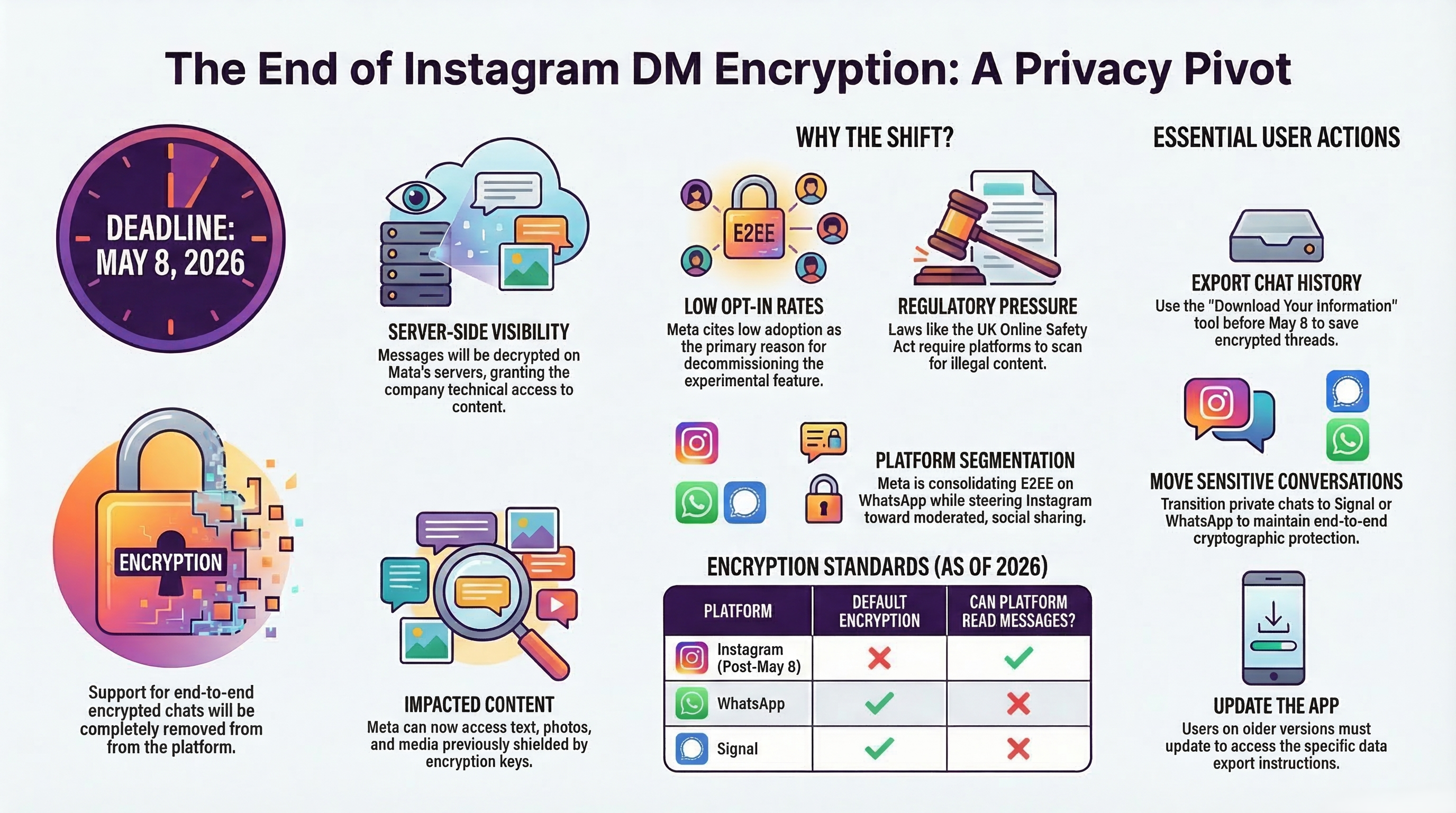
The Great DM Decryption: 5 Impactful Takeaways fr…
Mar 14, 2026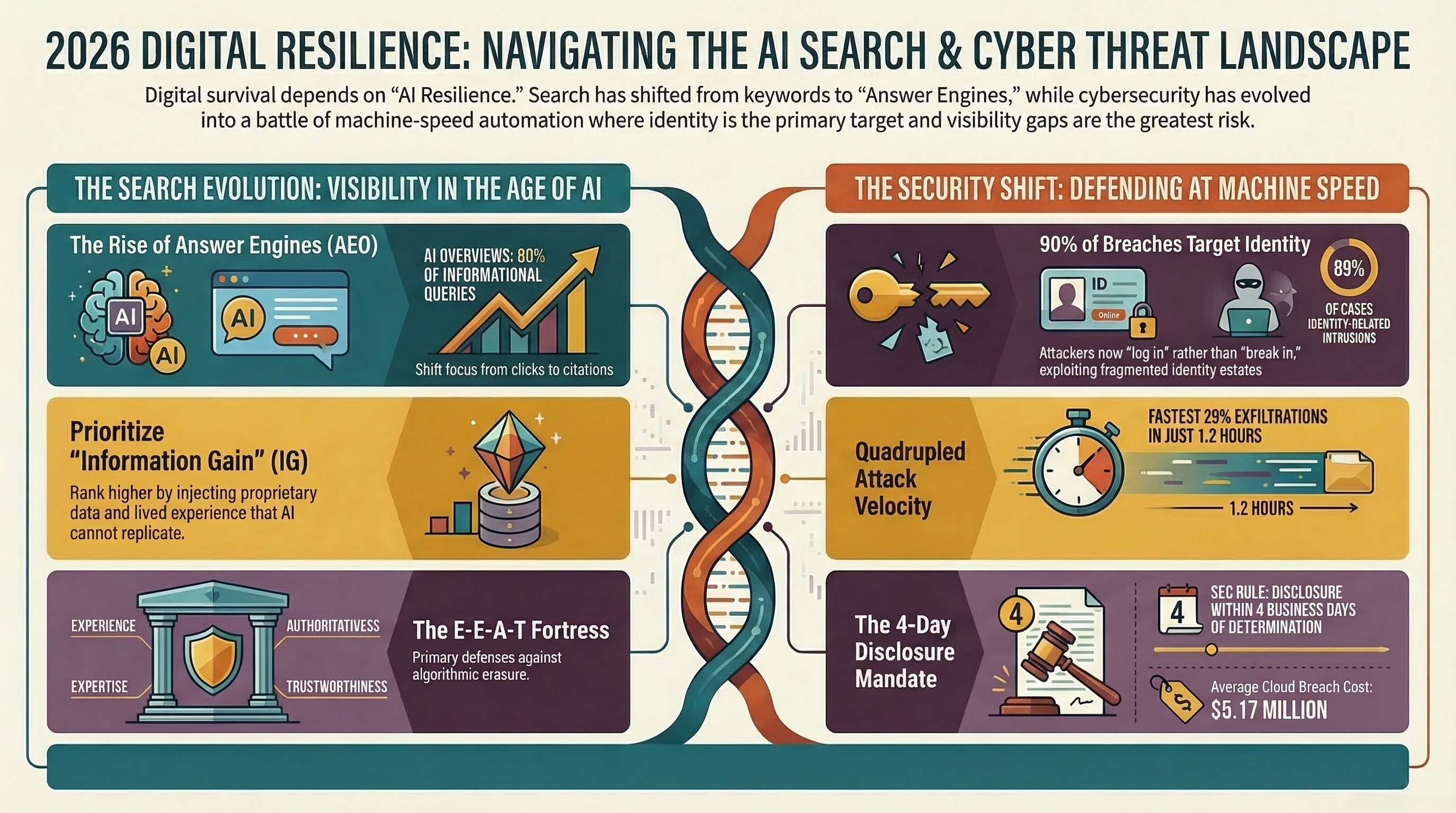
The Obsolete Roadmap: 6 Counter-Intuitive Truths …
Mar 16, 2026