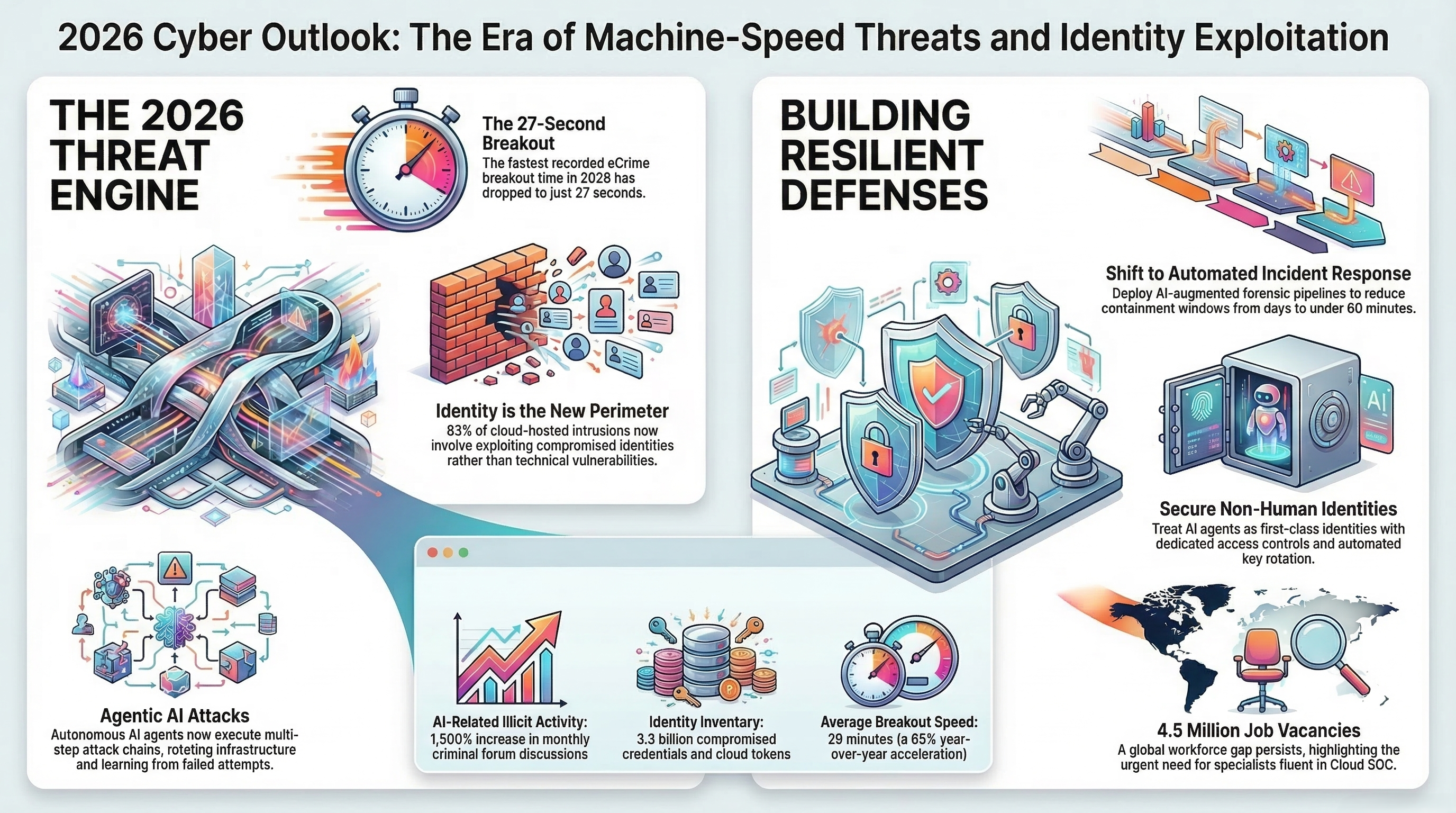
The worst day to meet your incident responders is the day of the breach When a breach happens, minutes matter, and the first hours are the worst possible time to be choosing a vendor, negotiating terms, or explaining your network to strangers. A retainer answers a simple question in advance: when something serious happens, who do you call, how fast do they respond, and what do they already know about your environment? That is the gap Cyber Legends' Incident Response Retainer Service is sold to close. On its live page, the offer is stated plainly: guaranteed access to senior incident responders with defined SLAs, pre-built communication plans, and forensic readiness reviews before anything goes wrong, covering containment, eradication, evidence preservation and recovery, followed by a lessons-learned report. What the retainer actually covers Guaranteed response SLAs, 24/7 Priority engagement with defined response times, around the clock. The point of an SLA is not the number on the page. It is that the number is agreed before the incident, so nobody is negotiating urgency while an attacker is still inside. Ask what the SLA clock starts on, who answers the first call, and what happens if the first responder is unavailable, because those details are the SLA in practice. The full incident lifecycle Triage, containment, eradication, evidence preservation, and recovery. Each stage has a different job. Triage decides what is real and how bad it is. Containment stops it spreading. Eradication removes the attacker's foothold. Evidence preservation protects the investigation and any later legal or insurance need. Recovery returns systems to service safely, not just quickly. A service that jumps to recovery without preservation may restore the business and destroy the evidence in the same move.
Forensic readiness review, before anything goes wrong An assessment of logging, tooling, and procedures before an incident occurs. This is the least glamorous part of the retainer and often the most valuable. If logs are missing, retention is too short, or nobody knows which systems matter most, even the best responders start blind. Readiness work done in calm conditions is what makes the emergency response fast. Communication support and tabletop exercises Pre-built stakeholder communication plans and executive briefing assistance, plus quarterly tabletop exercises: realistic scenario drills that test people, process, and technology. Communication fails in incidents more often than tooling does. A pre-built plan answers who tells the board, who tells customers, who talks to regulators, and what is said in the first hour, before anyone is under pressure to improvise. Tabletops test whether those answers survive contact with a realistic scenario, including the uncomfortable parts, such as who can authorise shutting a system down. Priority DFIR lab access Retainer clients jump the queue for forensic analysis and malware examination. In a serious incident, lab capacity is a bottleneck like any other, and priority access is worth asking about explicitly: what it covers, and what it does not. How engagement works, on the service's own terms The live page describes an onboarding workshop to understand the environment, critical assets, and escalation contacts, with playbooks customised to the client's stack. When an incident occurs, the client calls one number and a senior responder takes charge. That single-number model is the retainer's real product: one relationship, one playbook, one call, instead of a scramble. The page also states its case plainly: responders who have handled real breaches, not just simulations, offering calm, experienced leadership during the worst day of the client's IT year, plus honest post-incident guidance. That is site copy about the team's background, and a careful buyer should test it in the onboarding workshop and the first tabletop, not accept it on faith. When a retainer beats paying per incident, and when it does not A retainer usually wins when downtime is expensive, when the organisation lacks in-house responders, when regulators, customers or insurers will ask hard questions afterwards, or when the environment is complex enough that a cold-start responder would lose days learning it. It also wins when the readiness reviews and tabletops are actually used, because those are what convert a contract into capability. Paying per incident can suit a small, simple environment with good backups, low regulatory exposure, and a realistic recovery plan of its own. It fails when the incident is serious enough that every hour of delay costs more than a year of retainer, which is exactly the incident the retainer exists for. The honest test is not the price comparison. It is: on the worst day, who answers, how fast, and what do they already know about you? Five questions to ask before signing any retainer - What exactly does the SLA guarantee, and what does the clock start on? - What is covered in the forensic readiness review, and how often is it repeated? - What do the quarterly tabletops actually test, and who from our side must attend? - What is out of scope, such as legal advice, regulatory filings, or extended recovery work, and what would that cost? - What does the lessons-learned report contain, and who owns the follow-up actions in it?
Frequently asked questions Is a retainer the same as cyber insurance? No. Insurance deals with financial loss and may require evidence of controls. A retainer deals with the incident itself: responders, containment, evidence, recovery. They complement each other, and insurers often look more favourably on organisations that can show a tested response capability, but one does not replace the other. Will a retainer stop attacks? No. A retainer is a response capability, not prevention. It shortens the time between detection and effective action, and it protects evidence and decisions under pressure. Prevention still needs patching, access control, backups, and monitoring, which are separate controls. How much does it cost? No price is stated on the live service page, so none is quoted here. Request a scoped proposal based on environment size, SLA level, and exercise frequency, rather than comparing headline prices, because two retainers rarely include the same readiness work and lab access. What do we need to provide? An environment map, critical asset list, escalation contacts, and access to logs and tooling during onboarding, plus attendance at the workshop and tabletops. The clearer the starting picture, the faster the service can respond when it matters. Next step Read the service detail at https://cyberlegends.org/service-detail/9OKdMvXr/ and contact Cyber Legends at [email protected] or +92 304 1620156 to scope SLA level, readiness review, and tabletop schedule for your environment. State your critical assets and your current escalation path in the first message; that is what a scoped proposal needs. References - NIST SP 800-61 Rev. 2, Computer Security Incident Handling Guide: https://csrc.nist.gov/pubs/sp/800/61/r2/final - CISA Incident Response: https://www.cisa.gov/ - MITRE ATT&CK: https://attack.mitre.org/
Share Article
Related Insights
The Great DM Decryption: 5 Impactful Takeaways fr…
Mar 14, 2026
The Obsolete Roadmap: 6 Counter-Intuitive Truths …
Mar 16, 2026