Key Takeaways: AI fraud detection watches payments, logins, and account activity in real time and flags unusual patterns as they happen. Behavioural analytics builds a picture of normal user behaviour, so insider fraud stands out. AI risk scoring ranks each event so analysts can act on the highest risk first. The solution integrates with AML systems and core banking, e-commerce, or ERP platforms. Dashboards and case management help analysts investigate faster and reduce manual work. Fraud rarely announces itself. A payment looks almost normal. A login uses the right password. An account change follows the usual steps, except for one small detail that does not fit. By the time a human reviewer spots the pattern, the money may already be gone. AI fraud detection and risk analytics exist for that gap. They watch transactions, logins, and account activity as they happen, compare each event with what is normal, and raise the riskiest ones for a fast human decision. This article explains how that works, and what the Cyber Legends solution delivers. What is AI fraud detection and risk analytics? AI fraud detection and risk analytics is a solution that uses machine learning to watch payments, logins, and account activity in real time, flag unusual patterns, and score the risk of each event so analysts can act on the most dangerous ones first. It combines anomaly detection, behavioural analytics, and predictive models in one workflow. Fraud teams used to rely on fixed rules. A rule might block every transaction above a set amount. Rules help, but fraudsters learn them and work around them. AI models learn from historical transaction data instead. They study what normal looks like for each customer, account, and channel, then flag the events that break that pattern. That means fewer missed fraud attempts and fewer genuine customers blocked by mistake. Analysts still make the final call, but they start with a ranked list instead of a raw queue. Definition Box: What is AI fraud detection and risk analytics? AI fraud detection and risk analytics is the use of machine learning models to monitor payments, logins, and account activity in real time, detect anomalies, and assign a risk score to each event. It supports fraud teams with case management dashboards, reporting, and integration with Anti-Money Laundering (AML) systems, so suspicious activity is investigated quickly and consistently. How does real-time anomaly detection work for payments, logins, and accounts? Real-time anomaly detection works by comparing each new payment, login, or account change against learned patterns of normal behaviour, then flagging the events that differ enough to need review. The check happens as the event occurs, so a risky transaction can be held before it completes. The system ingests data from banking, retail, or insurance sources, cleans it, and feeds it to trained models. For a payment, the model checks the amount, the merchant, the device, the location, and the time of day against that customer's history. For a login, it checks the device, the network, and the usual login pattern. For an account change, it checks whether the change fits the account's normal behaviour. When several small oddities appear together, the risk score rises. AI-assisted SOC analysts then monitor flagged events in real time and decide what to do next. How does behavioural analytics help spot insider fraud? Behavioural analytics helps spot insider fraud by building a baseline of how each user normally works, then flagging actions that break that baseline, even when the user has valid access. It catches misuse that fixed rules and perimeter controls miss. An insider already has a password and permission, so a login check alone will not stop them. Behavioural analytics looks deeper. It tracks which accounts a user touches, how much data they access, when they work, and how their activity changes over time. If a staff member who normally reviews ten accounts a day suddenly opens hundreds, the system raises the risk score. The point is not to accuse anyone. It is to give the fraud team an early, evidence-based reason to look closer.
How does AI risk scoring work, and how does it support AML checks? AI risk scoring works by turning the signals from anomaly detection and behavioural analytics into a single ranked score for each event, using predictive models trained on historical transaction data. Higher scores mean higher risk, so analysts work the most dangerous cases first. The models are built with machine learning frameworks such as TensorFlow, XGBoost, and Scikit-learn, and the solution can work alongside fraud detection platforms such as SAS Fraud Management and Feedzai. Data is held in data lakes and analytics platforms such as Hadoop, Spark, and Snowflake, with reporting in Tableau and Power BI. Risk scores also support AML work. When a transaction pattern matches money laundering behaviour, the score and the supporting evidence feed into the AML workflow, so compliance teams can investigate with context instead of starting from a bare alert. Comparison: Fixed rules versus AI risk scoring Fixed rules block or allow based on set thresholds, such as an amount limit or a country list, and they treat every customer the same. AI risk scoring weighs many signals together, learns from each customer's history, and ranks events by risk. Scoring adapts as fraud patterns change, and it helps analysts focus on the cases that matter most. What problem does this solution solve, and how is it delivered? The problem is fraud that moves faster than manual review: fake payments, stolen credentials, account takeovers, and insider misuse that slip past fixed rules. The impact is direct financial loss, lost customer trust, regulatory pressure, and hours of manual investigation. Cyber Legends answers with real-time anomaly detection, behavioural analytics, AI risk scoring, AML integration, and case management dashboards. Delivery follows four steps. First, data ingestion and cleansing bring together banking, retail, or insurance sources. Second, fraud detection models are trained on historical transaction data, so they learn what normal looks like. Third, the solution integrates with core banking, e-commerce, or ERP systems, so scoring happens where transactions actually flow. Fourth, real-time monitoring runs with AI-assisted SOC analysts watching the flagged events and acting on them. The value is reduced financial loss from fraud and scams, improved customer trust, regulatory compliance with AML guidelines, and cost savings from fewer manual investigations. Illustrative Example, clearly illustrative, not a real client case: Imagine a retail bank customer who normally shops in Lahore and pays small amounts by card. In this illustrative example, the account suddenly shows a large online purchase from a new device, followed by a password reset and a change of contact details within minutes. No single step breaks a fixed rule. Together, they push the AI risk score high. The transaction is held, an analyst reviews the case dashboard, and the customer confirms the purchase was not theirs. No real client is involved here. Pro Tip: Start with clean data, not with a bigger model. If transaction records are incomplete or inconsistent, even a strong model will score badly. Agree the data sources, the fields, and the cleansing rules first, then train the model on that foundation. How do you measure success, and what should you do next? You measure success by tracking, over time, whether fraud losses fall, whether analysts close cases faster, and whether genuine customers are blocked less often. A solution that only catches more fraud but blocks more good customers has not finished the job.
Track a small set of measures over time: confirmed fraud caught before completion, time from alert to decision, share of flagged cases that turn out to be genuine fraud, and complaints from customers wrongly blocked. Review the scores with the fraud team each month, and retrain models when patterns change. If you are considering this solution, the next step is to request a proposal through the corporate inquiry form, describing your goals, environment, and preferred timeline. EXPLORE EVERYTHING CYBERLEGENDS OFFERS Cyber Legends offers professional cybersecurity trainings, services, and solutions from Lahore, Pakistan. Explore trainings at https://cyberlegends.org/trainings/, services at https://cyberlegends.org/services/, and solutions at https://cyberlegends.org/solutions/. Learn more about this solution at https://cyberlegends.org/solution/DzQ4BjK8/, and read our related articles on AI threat detection at https://cyberlegends.org/blog-detail/Bd1e3zX5/, AI security analytics at https://cyberlegends.org/blog-detail/y8Qqjg17/, and AI and data science security at https://cyberlegends.org/blog-detail/6rXEkk1A/. To request a proposal, visit https://cyberlegends.org/application/ or contact [email protected] or +92 304 1620156. Why start now, and how can you keep learning? Fraud teams cannot review every transaction by hand. Start by mapping your highest-risk flows: payments, logins, and account changes. Then ask which of those your current rules miss. Think of the bank customer above: one high risk score stopped a loss before it happened. Suggested lead magnet: a one-page Fraud Risk Readiness Checklist covering data sources, highest-risk flows, AML needs, and dashboard requirements, available on proposal enquiry. Engagement question: which fraud pattern worries your team most right now, and what would an early warning look like? Primary CTA: request a proposal via https://cyberlegends.org/application/. Secondary CTA: read our AI threat detection article first at https://cyberlegends.org/blog-detail/Bd1e3zX5/. Frequently Asked Questions What is AI fraud detection and how is it different from rule-based fraud checks? Rule-based checks block or allow based on fixed thresholds, such as an amount limit, and treat every customer the same. AI fraud detection learns from historical transaction data, weighs many signals together, and scores each event by risk, so it adapts as fraud patterns change and helps analysts focus on the riskiest cases first. Can AI fraud detection spot insider fraud? Yes, through user behavioural analytics. The solution builds a baseline of how each user normally works, such as which accounts they touch and when, then flags actions that break that baseline. This helps fraud teams catch misuse by people who already hold valid access and would pass a simple login check. How does the solution support AML compliance? The solution integrates with AML systems and feeds risk scores and supporting evidence into the AML workflow. This helps compliance teams investigate suspicious patterns, such as unusual transaction flows, with context, and supports regulatory compliance with AML and fraud detection guidelines. How do I request a proposal and what will it cost? Request a proposal through the corporate inquiry form, describing your goals, environment, and preferred timeline. Cost and delivery time depend on your requirements, system size, integrations, and agreed deliverables, so contact the team for a quotation specific to your organisation. Keep passwords and access keys out of public inquiry forms. Conclusion AI fraud detection and risk analytics give fraud teams what manual review cannot: a live view of every payment, login, and account change, scored by risk, with the context to act fast. Anomaly detection catches the unusual, behavioural analytics catches the insider, and risk scoring tells analysts where to start. If your team is still working through fraud one rule and one queue at a time, consider the Cyber Legends AI-Driven Fraud Detection and Risk Analytics Solution. Request a proposal via https://cyberlegends.org/application/ or contact [email protected]. Contact: Cyber Legends, Central Plaza, Barkat Market, Lahore, Pakistan. Email [email protected]. Phone +92 304 1620156. Request a proposal via https://cyberlegends.org/application/. Solution page: https://cyberlegends.org/solution/DzQ4BjK8/. Related articles: https://cyberlegends.org/blog-detail/Bd1e3zX5/, https://cyberlegends.org/blog-detail/y8Qqjg17/, https://cyberlegends.org/blog-detail/6rXEkk1A/. References: 1. National Institute of Standards and Technology (NIST), The NIST Cybersecurity Framework (CSF) 2.0, 2024. https://www.nist.gov/cyberframework 2. National Institute of Standards and Technology (NIST), Computer Security Incident Handling Guide, SP 800-61 Rev. 2, 2012. https://csrc.nist.gov/pubs/sp/800/61/r2/final 3. Cybersecurity and Infrastructure Security Agency (CISA), cybersecurity resources. https://www.cisa.gov/ 4. Open Worldwide Application Security Project (OWASP), application security resources. https://owasp.org/ 5. European Union Agency for Cybersecurity (ENISA), threat landscape and cybersecurity resources. https://www.enisa.europa.eu/ 6. Forum of Incident Response and Security Teams (FIRST), incident response resources. https://www.first.org/ Disclaimer: This content is for educational purposes. Always test security tools only on systems you own or have written permission to assess.
Share Article
Related Insights
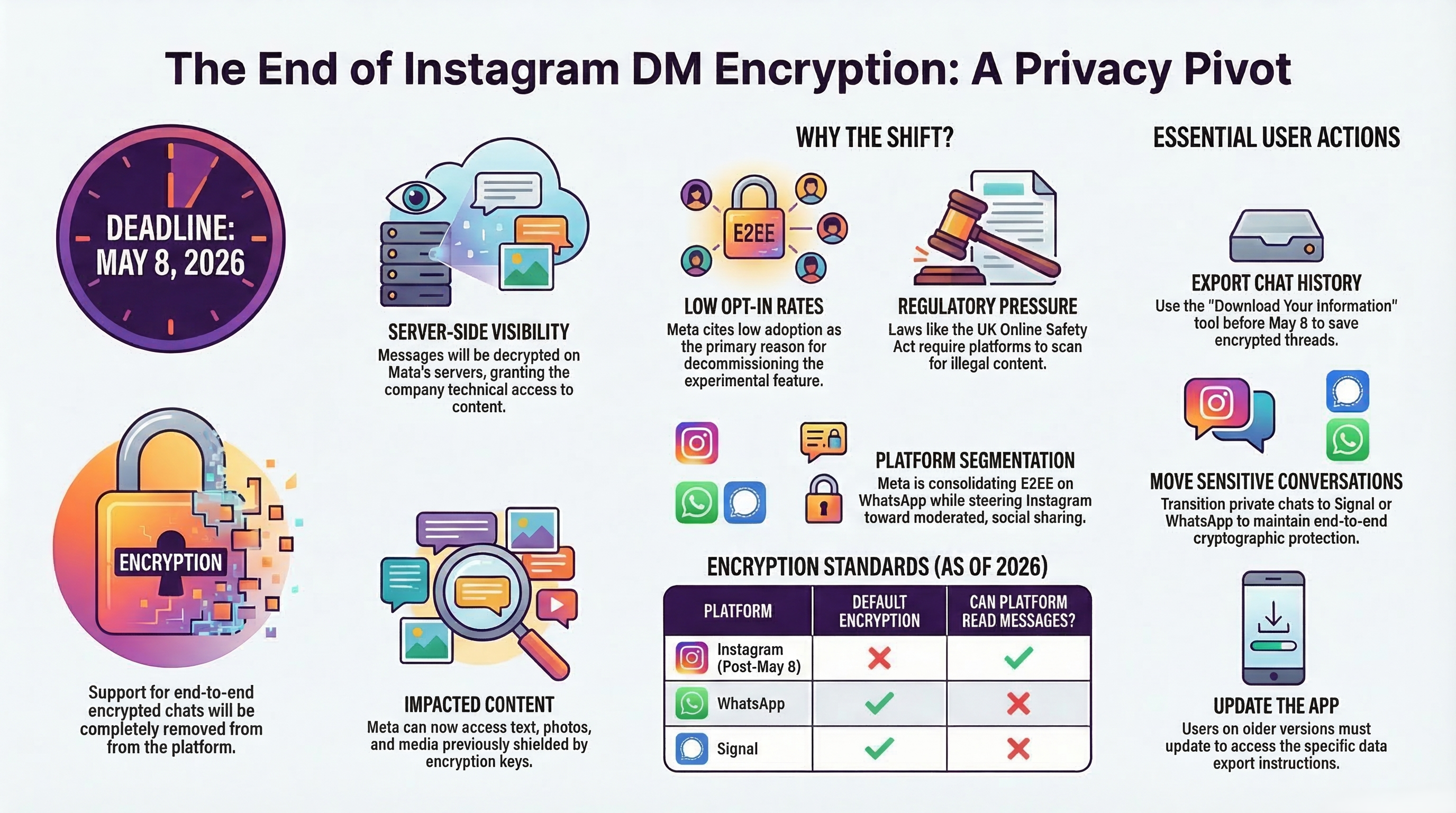
The Great DM Decryption: 5 Impactful Takeaways fr…
Mar 14, 2026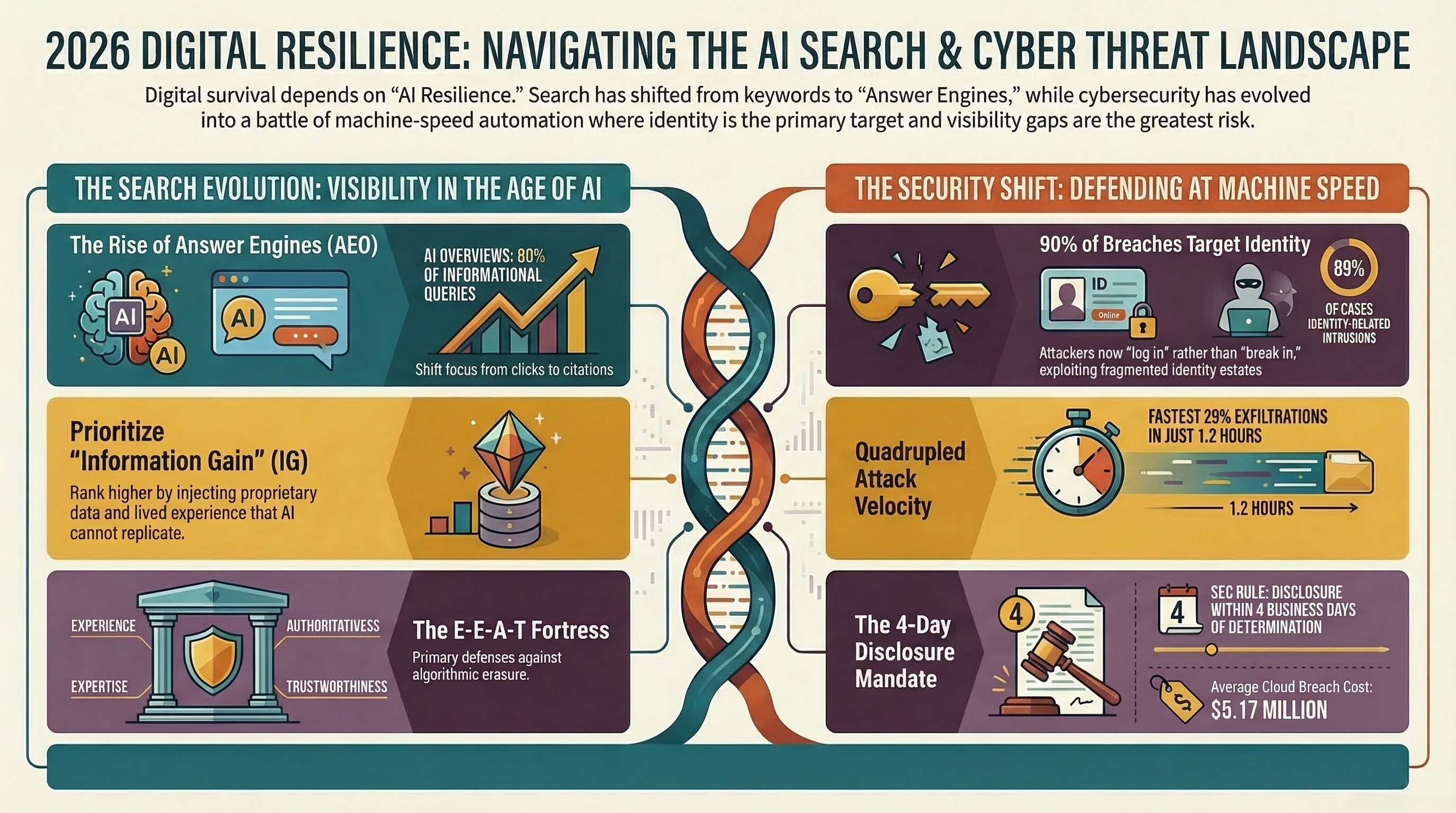
The Obsolete Roadmap: 6 Counter-Intuitive Truths …
Mar 16, 2026