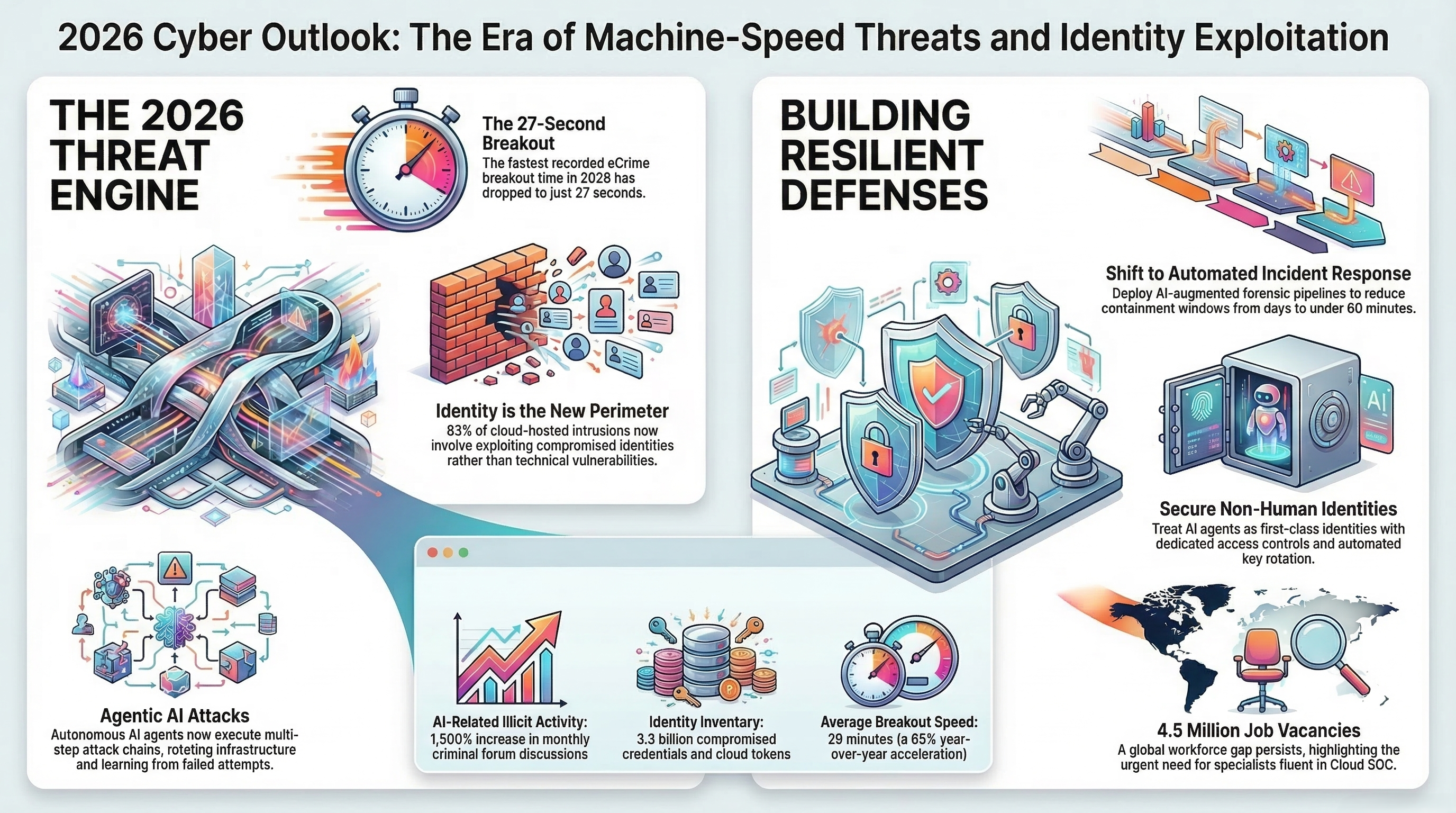
Key Takeaways: A cyber threat intelligence platform collects, correlates, and prioritises threat data from the dark web, OSINT, and global threat feeds. AI-driven correlation of IOCs turns thousands of disconnected indicators into a short, ranked list of threats that touch your organisation. Real-time alerting, attack surface monitoring, and SIEM/SOAR integration push intelligence straight into your SOC workflows. Deployment fits your setup: on-premises appliance, cloud-based SaaS, or hybrid, with subscription, enterprise, or MSSP licensing. Success is measured in mean time to detect and mean time to respond, plus analyst triage load and audit-ready reporting. Every day, attackers probe networks long before anyone notices. A new phishing domain appears, a stolen password circulates on a dark web forum, and a vulnerability in software you use is exploited. A cyber threat intelligence platform gathers those signals, from the dark web, open sources, and global threat feeds, and turns them into clear warnings your team can act on. This guide explains how the Cyber Legends Cyber Threat Intelligence Platform works, what it watches, and how it fits your SOC. If your team is drowning in alerts, this is where the noise becomes direction. A cyber threat intelligence platform collects, correlates, and prioritises threat information from the dark web, OSINT, and global threat feeds, so your security team sees real risks early instead of learning about them after an incident. It turns scattered indicators into context: who is attacking, what they target, and what to block first. The Cyber Legends platform pulls together intelligence from the dark web, open source intelligence, and global threat feeds, with geopolitical threat tracking and industry specific insights, so warnings match your sector and region. It watches for indicators of compromise, new attack campaigns, and high risk vulnerabilities and exploits, and shows them on customisable dashboards for executives and SOC analysts. Executives see risk in plain terms and analysts see the detail needed to act, so both work from one shared picture. Learn the detection skills behind it in the Threat Hunting and Detection Engineering training at https://cyberlegends.org/training/Bd1e4DQ5/. AI-driven correlation links indicators of compromise, such as malicious IPs, domains, file hashes, and phishing URLs, across feeds, and scores them by relevance to your organisation. Instead of thousands of disconnected alerts, your team gets a short, ranked list of threats that actually touch your systems. The platform uses machine learning models trained on millions of attack samples, retrained continuously as new threat intelligence arrives. Correlation runs on a scalable big data architecture, so a flood of indicators is processed in real time. High risk vulnerabilities and exploits are prioritised, so patching starts with the flaws attackers are actually using. The Threat Intelligence Services team at https://cyberlegends.org/service-detail/MJ1OaX0z/ can help turn it into action. Definition Box: What is an indicator of compromise (IOC)? An indicator of compromise is evidence that an attack has happened or is under way, such as a malicious IP address, a phishing domain, or a file hash linked to malware. IOCs are the raw clues platforms collect, correlate, and score.
The platform integrates with SIEM and SOAR tools for automated responses, and it plugs into existing SOC workflows, so intelligence flows into the tools your analysts already use. Real-time alerting and attack surface monitoring flag new exposures, and REST APIs let third-party tools pull the same intelligence. Integration matters because intelligence in a separate dashboard gets ignored. When the platform sends a high confidence indicator to your SIEM, the SIEM can raise an alert, and your SOAR playbook can block the address or isolate the host. Customisable dashboards cover both audiences: executives see trends and risk posture, analysts see queues, indicators, and context. The Threat Intelligence Services at https://cyberlegends.org/service-detail/MJ1OaX0z/ add human analysis to the automated feed. Step list: from feed to response 1. Collect indicators from dark web, OSINT, and global threat feeds. 2. Correlate IOCs with AI and score them for your organisation. 3. Push high priority intelligence to your SIEM and dashboards. 4. Trigger automated SOAR responses for known malicious indicators. 5. Review, report, and retrain on what was found. Deploy on premises as an appliance for regulated industries, in the cloud as software as a service for rapid deployment, or as a hybrid for large enterprises with a multi-cloud presence. Licensing is flexible: subscription, enterprise, or MSSP integration, so the platform fits how your organisation buys security. Cloud native deployment with high availability keeps the platform running when you need it most, and scalable big data architecture handles growth in feeds and indicators. Access is controlled with role based access and multi-factor authentication, so each role sees what it needs and nothing more. Deployment includes dedicated onboarding with training sessions for your team. Comparison: deployment options On-premises appliance suits regulated industries. Cloud-based SaaS suits rapid deployment with high availability. Hybrid suits large enterprises with a multi-cloud presence, mixing cloud scale with on-premises control. Illustrative Example, clearly illustrative, not a real client case: Imagine a mid-sized company with a small SOC and mixed cloud and on-premises systems. It chooses the cloud option to start quickly and connects its SIEM through the REST APIs. When a phishing campaign targets its industry, the platform flags the domains and the SOAR playbook blocks them. No real client is involved here. Pro Tip: Start with your most painful feed, not all of them. Connect one SIEM use case first, such as phishing domains, prove the alerting and blocking work, and then add more feeds.
It shortens mean time to detect and mean time to respond by automating triage, so analysts spend less time sorting alerts and more time on real threats. The Cyber Legends solution page states the platform reduces breach likelihood by up to 50 percent through proactive defense, a claim from the solution page itself, not independent research. The clearest gains show up in the SOC. Automated triage lifts routine sorting off analysts, which the solution page describes as improving SOC analyst productivity, and faster detection means incidents are caught while still small. Audit ready reports support compliance, giving auditors a documented trail of what was watched and done. Executives get the same intelligence in decision form, so security spending is argued with evidence instead of guesswork. The problem is scattered, noisy threat data, the impact is slow detection and tired analysts, and the solution is one platform that collects, correlates, and prioritises that data for your SOC. Roll it out in stages, connect your SIEM and SOAR, and measure detection time, response time, and triage load. The problem: most teams already have threat data, from feeds, vendors, and internal logs, but it arrives in separate streams with no ranking. Analysts chase low value alerts while real campaigns slip past. The impact: slow detection lets an intrusion spread, response starts late, and alert fatigue burns out the team. The solution: the platform brings the feeds together, correlates IOCs with AI, prioritises what touches your organisation, and pushes it into your SIEM, SOAR, and dashboards. Implementation steps: 1. Define what to protect: your assets, sector, and top risks. 2. Choose a deployment model: on-premises, cloud SaaS, or hybrid. 3. Connect your SIEM and SOAR and set up REST API feeds. 4. Set role based access and multi-factor authentication. 5. Tune alerting and dashboards for executives and analysts. 6. Complete onboarding and training sessions. 7. Review detection and response times monthly. How to measure success: Mean time to detect (MTTD): is it falling? Mean time to respond (MTTR): are incidents closed faster? Triage load: how many alerts are automated? Coverage: are key assets monitored? Reporting: are audit ready reports available on demand? Cyber Legends offers 25 trainings, 32 services, and 16 solutions from Lahore, Pakistan: explore trainings at https://cyberlegends.org/trainings/, services at https://cyberlegends.org/services/, and solutions at https://cyberlegends.org/solutions/. Spotlight on this solution: the Cyber Threat Intelligence Platform at https://cyberlegends.org/solution/Mn10q8KE/ aggregates intelligence from the dark web, OSINT, and global threat feeds, correlates IOCs with AI, and alerts your SOC in real time, with SIEM and SOAR integration. Related: build detection skills with Threat Hunting and Detection Engineering at https://cyberlegends.org/training/Bd1e4DQ5/ and add human analysis with Threat Intelligence Services at https://cyberlegends.org/service-detail/MJ1OaX0z/. A follow-up article on the Threat Intelligence and Analytics Platform is planned, covering the analytics angle. Also in today's set: Deep Learning with TensorFlow and Keras at https://cyberlegends.org/training/MJ1OWa10/ and Mobile App Development at https://cyberlegends.org/service-detail/kDXRaKP2/. Ask about the platform via https://cyberlegends.org/application/ or contact [email protected] or +92 304 1620156. You do not need a bigger SOC to see attacks earlier. You need better signal, and that starts with one feed, one dashboard, and one weekly review. Pick the threat that worries you most and ask what your team would see if it appeared. Suggested lead magnet: a one-page Threat Intelligence Starter Checklist, available on enquiry. Engagement question: which threat signal would help your team most, dark web leaks, phishing domains, or vulnerable software? Primary CTA: ask about the platform via https://cyberlegends.org/application/. Secondary CTA: explore the Threat Hunting and Detection Engineering training at https://cyberlegends.org/training/Bd1e4DQ5/. What is a cyber threat intelligence platform? A cyber threat intelligence platform collects, correlates, and prioritises threat information from the dark web, OSINT, and global threat feeds. It turns scattered indicators of compromise into ranked, actionable warnings, so your SOC sees real risks early instead of learning about them after an incident. How does it integrate with SIEM and SOAR tools? It integrates with SIEM and SOAR tools for automated responses, and REST APIs let third-party tools pull the same intelligence. A high confidence indicator can raise a SIEM alert and trigger a SOAR playbook to block an address or isolate a host, without a human copying values across. Can the platform be deployed on premises? Yes. Choose an on-premises appliance for regulated industries, cloud-based SaaS for rapid deployment, or hybrid for large enterprises with a multi-cloud presence. All options include role based access, multi-factor authentication, secure cloud-native deployment with high availability, and dedicated onboarding with training sessions. How do I measure whether it is working? Track mean time to detect and mean time to respond first, since the platform aims to reduce both. Then watch triage load, how many alerts are handled automatically, coverage of key assets, and whether audit ready threat reports are available on demand. A cyber threat intelligence platform does not add more alerts to your SOC. It turns the flood of dark web, OSINT, and global feed data into a short, ranked list your team can act on, with AI correlation, real-time alerting, and SIEM and SOAR integration doing the heavy work. Choose the deployment that fits, connect it to the tools you already use, and track detection and response times from day one. Ask Cyber Legends about the platform via the application page, or contact [email protected] to start the conversation. Contact: Cyber Legends, Central Plaza, Barkat Market, Lahore, Pakistan. Email [email protected]. Phone +92 304 1620156. Ask via https://cyberlegends.org/application/. Solution page: https://cyberlegends.org/solution/Mn10q8KE/. References: 1. National Institute of Standards and Technology (NIST), The NIST Cybersecurity Framework (CSF). https://www.nist.gov/cyberframework 2. Cybersecurity and Infrastructure Security Agency (CISA), cybersecurity resources. https://www.cisa.gov/ 3. MITRE ATT&CK, Enterprise Matrix and techniques reference. https://attack.mitre.org/ 4. Forum of Incident Response and Security Teams (FIRST), incident response and vulnerability resources. https://www.first.org/ 5. European Union Agency for Cybersecurity (ENISA), threat landscape and cybersecurity resources. https://www.enisa.europa.eu/ 6. Common Vulnerabilities and Exposures (CVE), vulnerability database. https://www.cve.org/ Disclaimer: This content is for educational purposes. Always test security tools only on systems you own or have written permission to assess.
Share Article
Related Insights
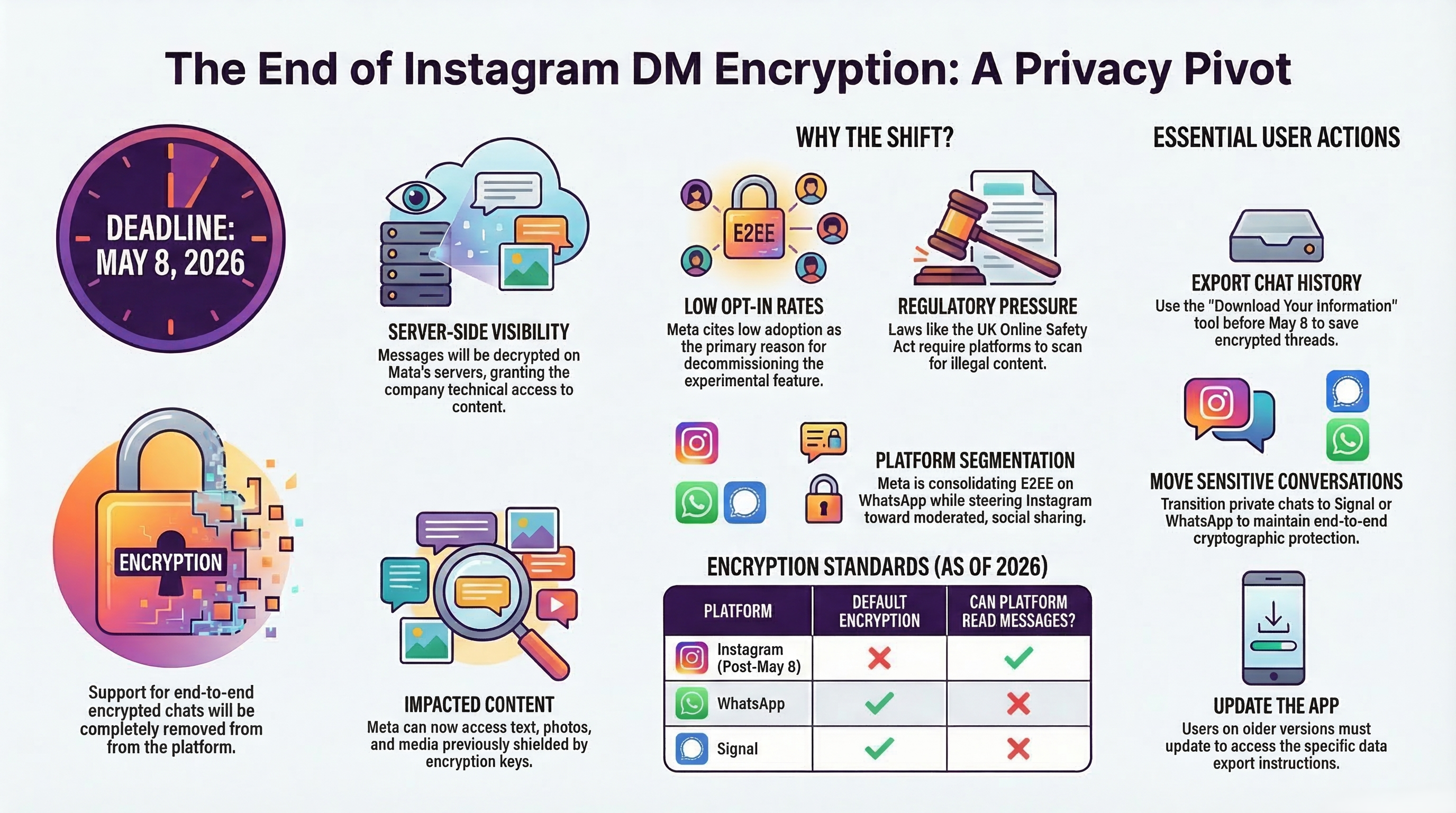
The Great DM Decryption: 5 Impactful Takeaways fr…
Mar 14, 2026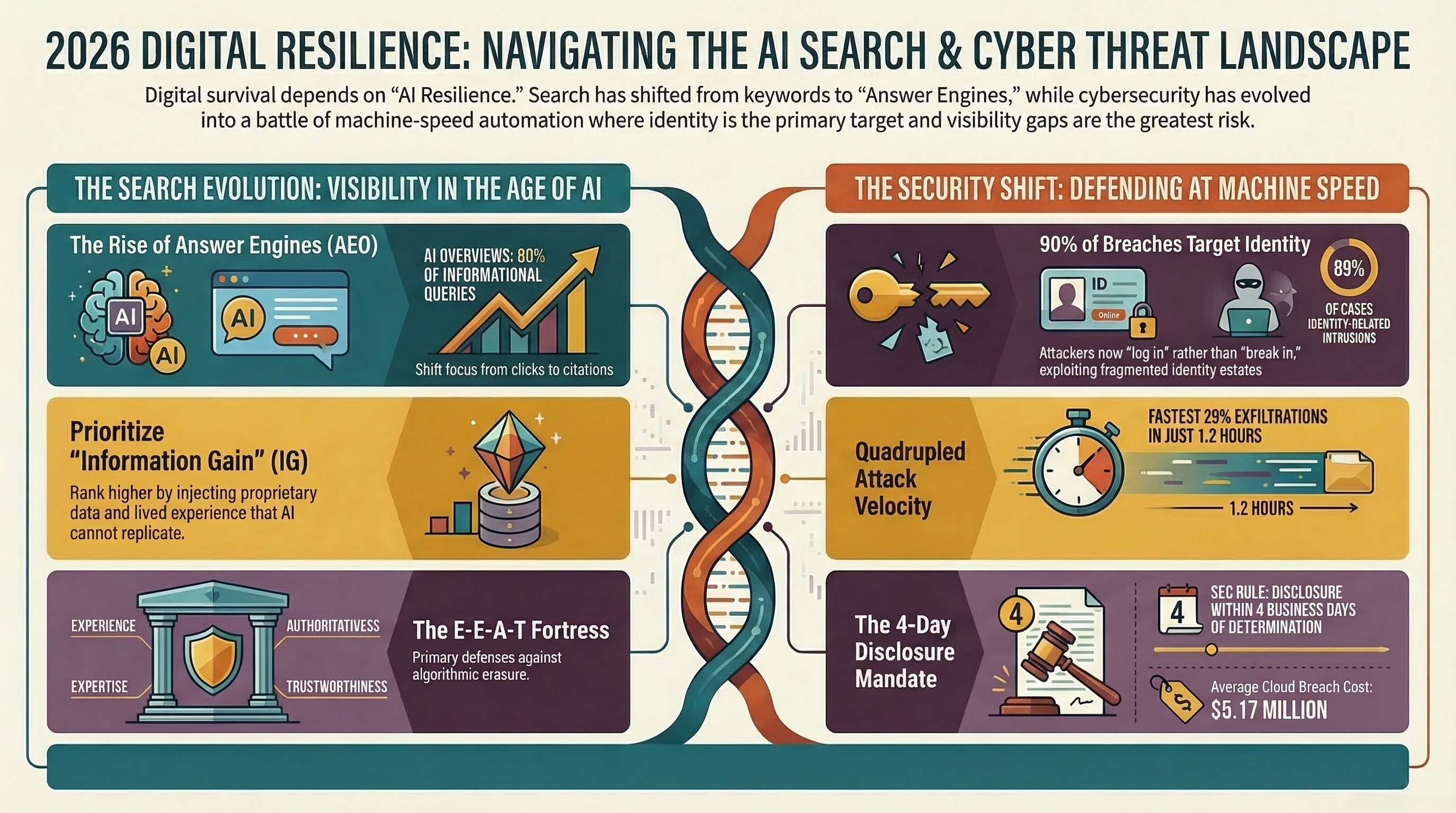
The Obsolete Roadmap: 6 Counter-Intuitive Truths …
Mar 16, 2026